Books for Highland Children Whose Parents Grow Coffee
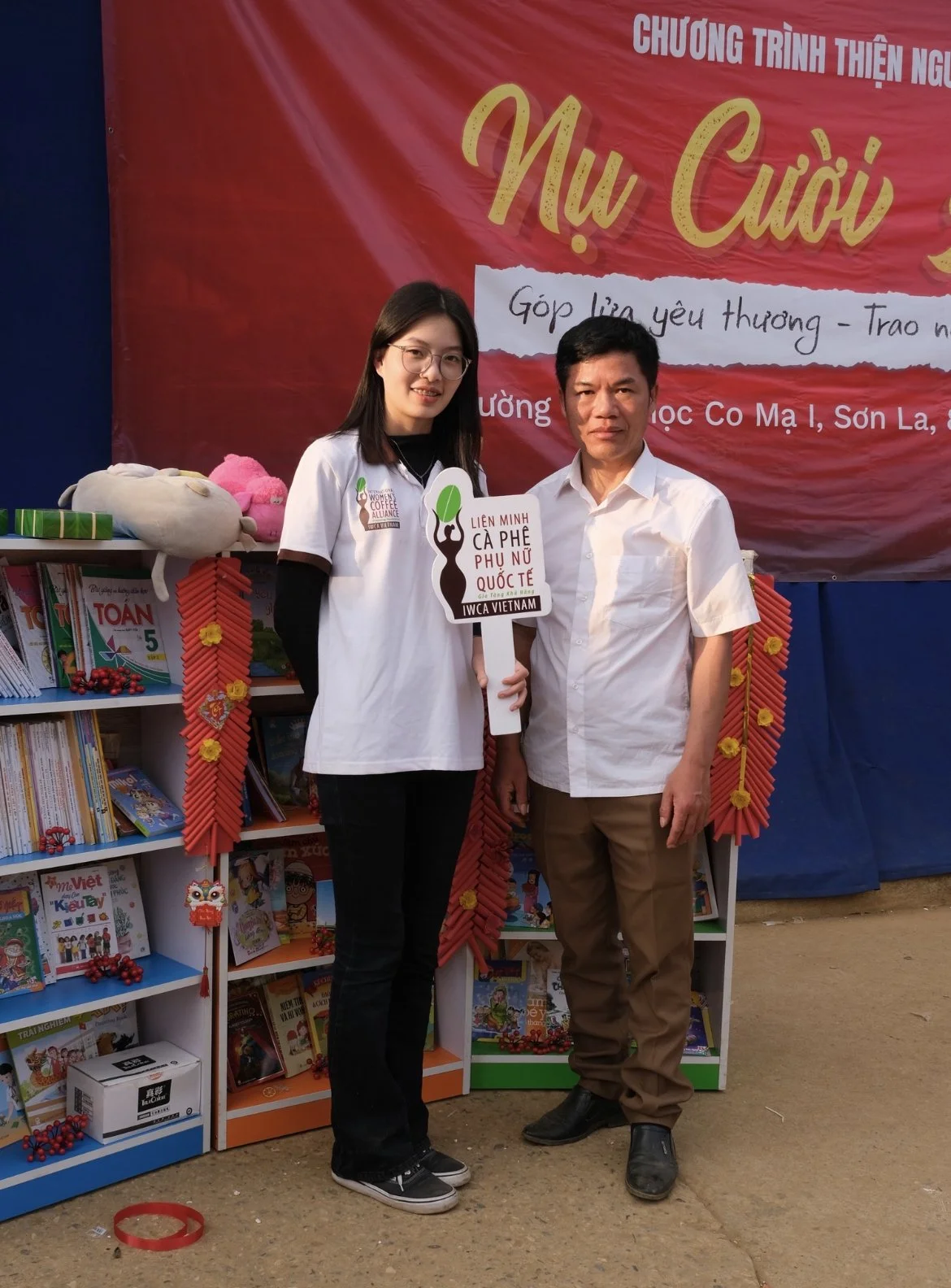
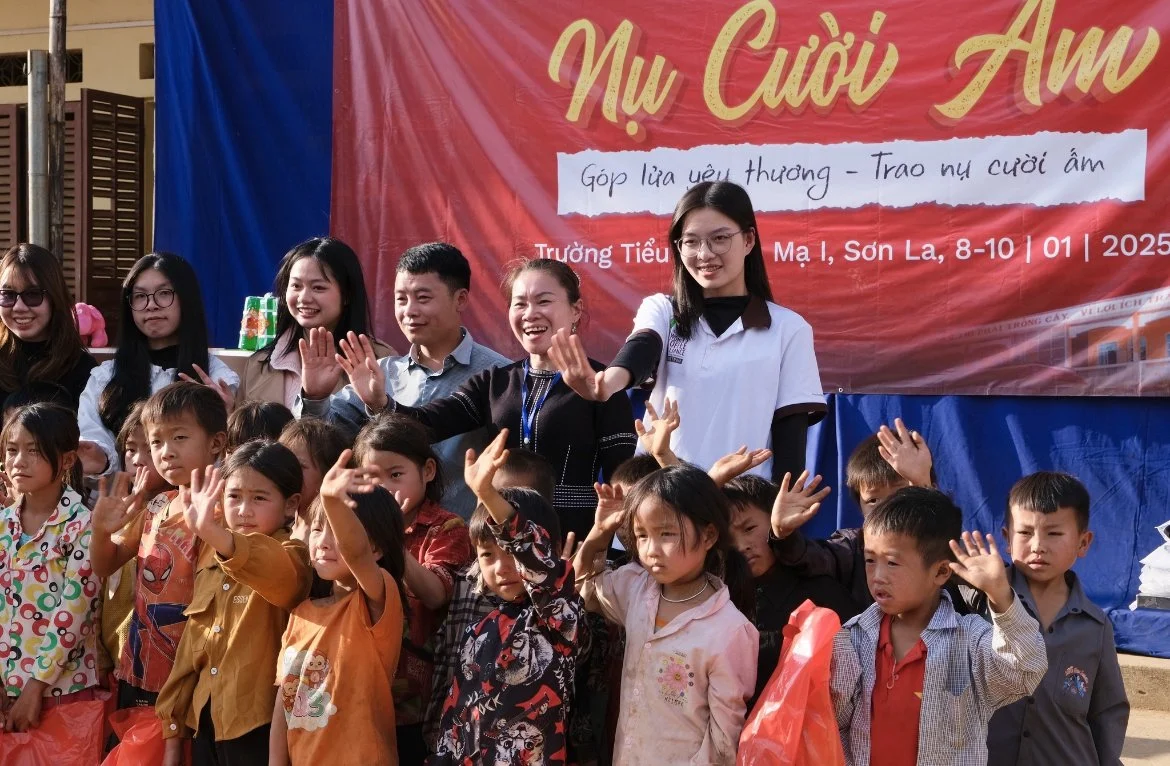
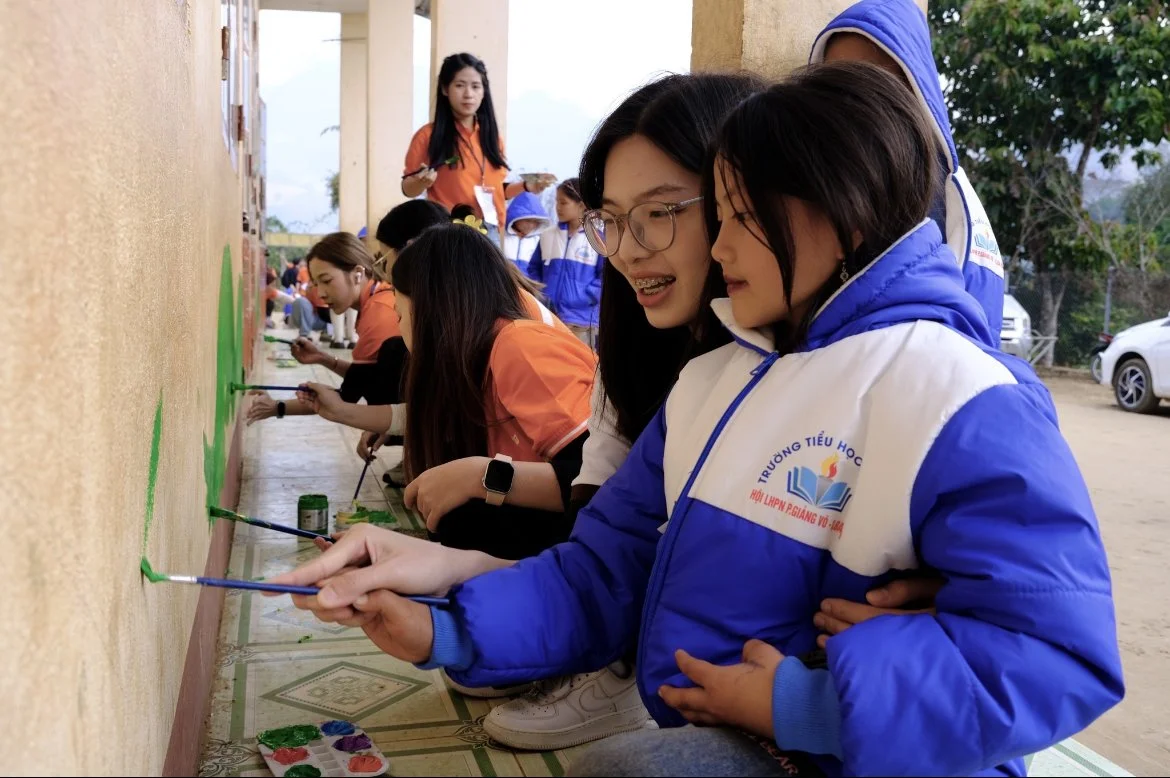
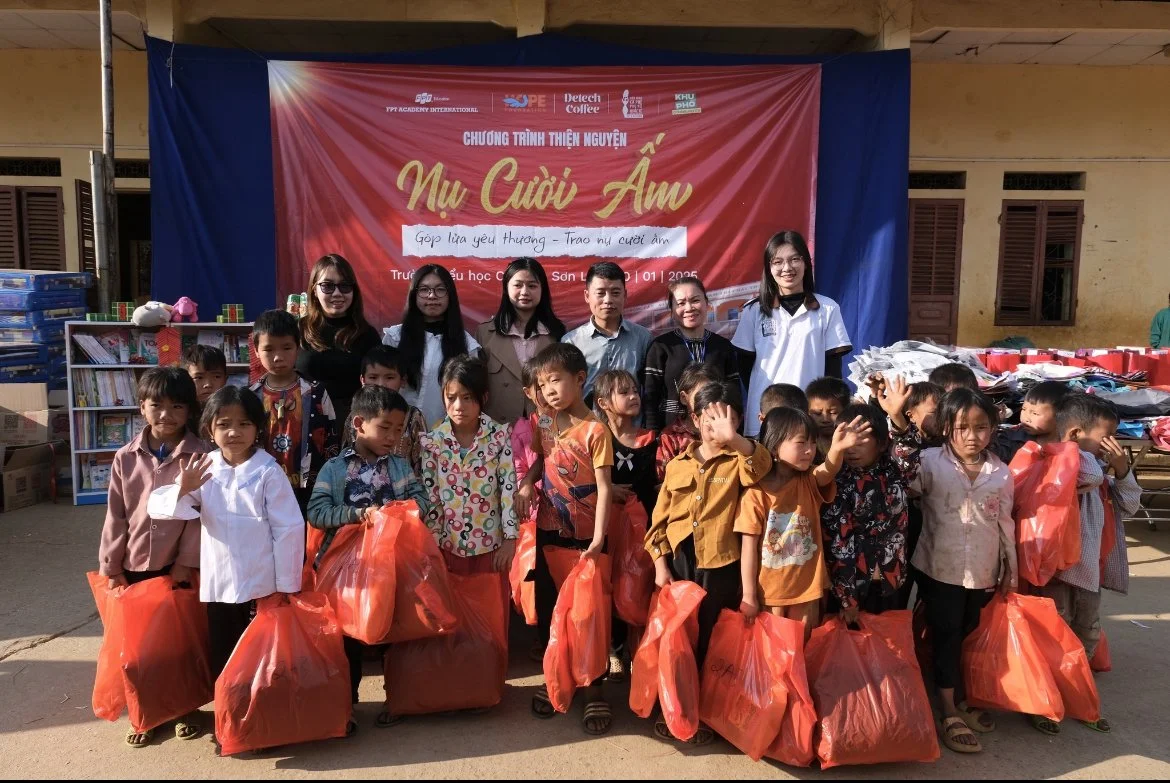
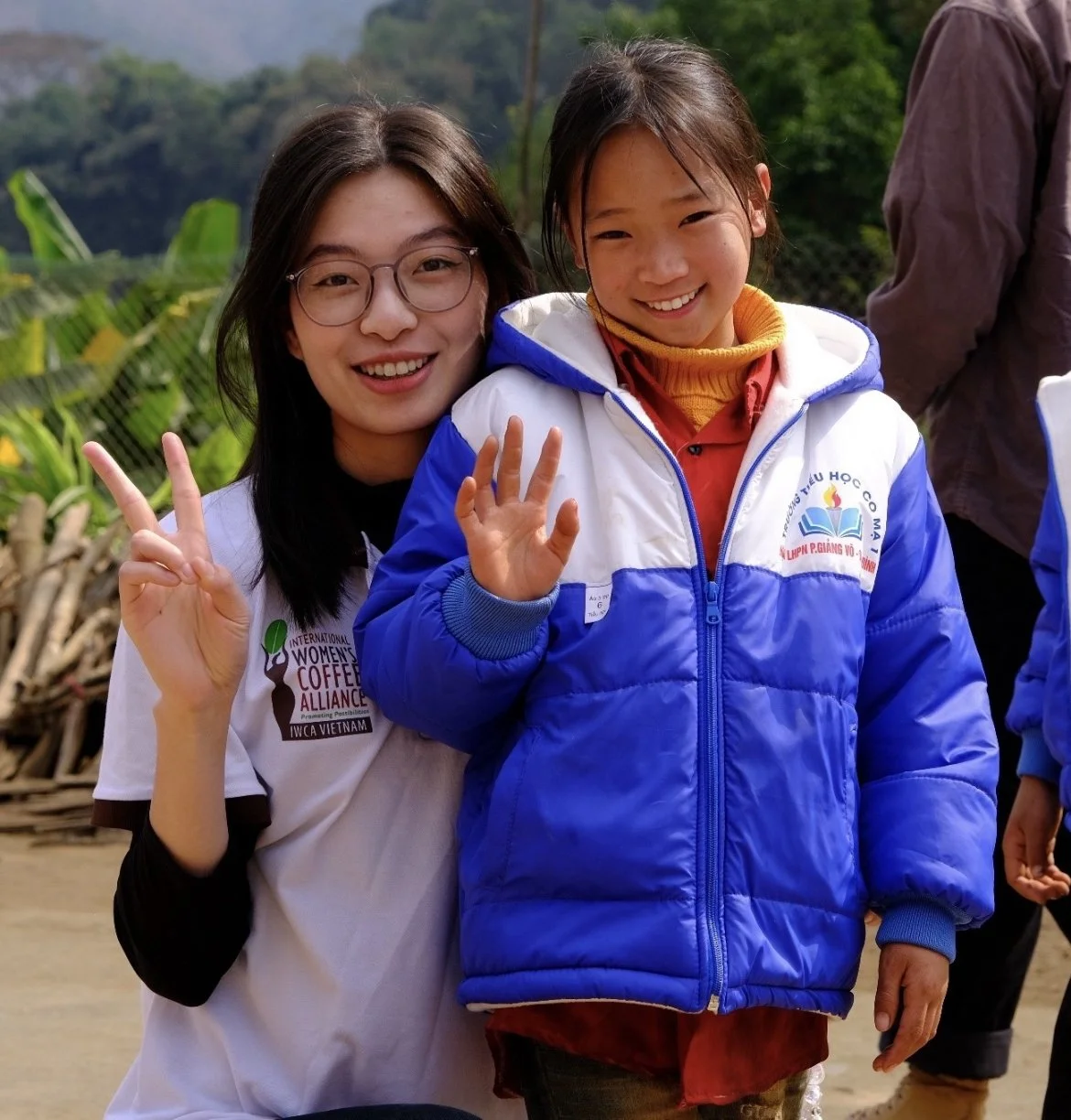
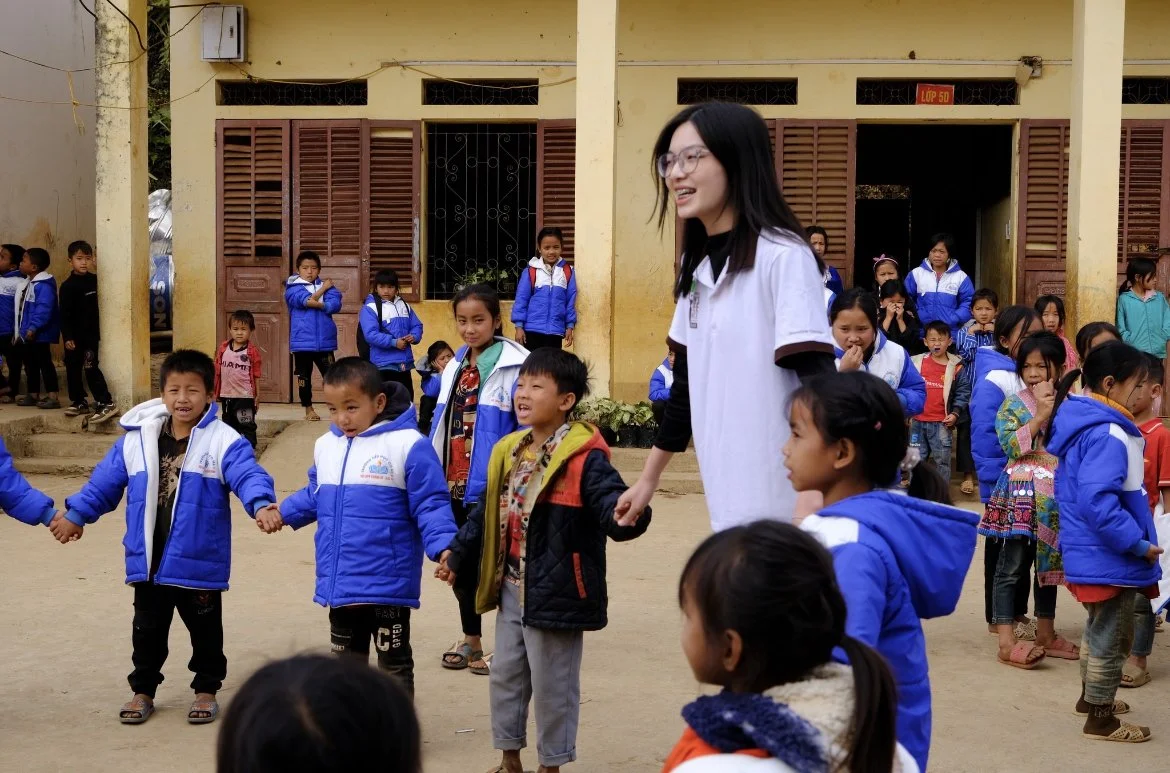
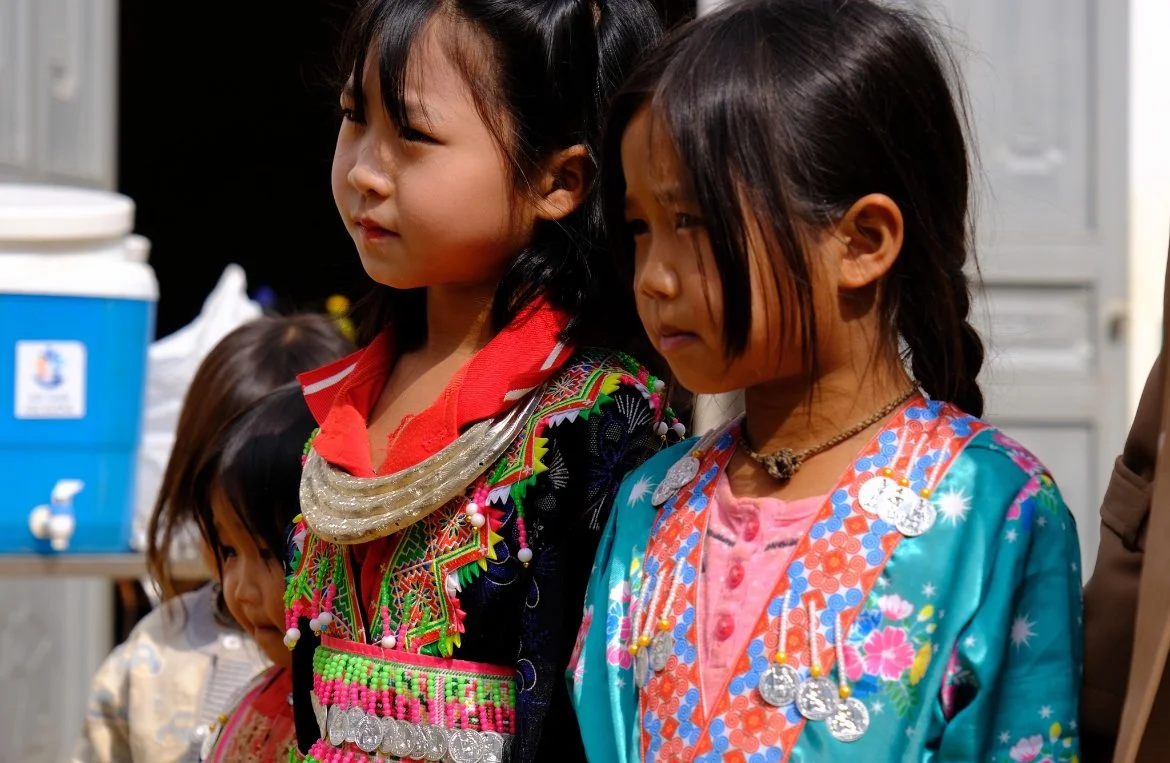
On January 9th, IWCA Vietnam traveled to Po Mau, a remote school site within Co Ma Primary School in Thuan Chau district, Son La province. They came as part of FAI's (FPT International Institute) "Warm Smile" program, bringing books to Hmong students.
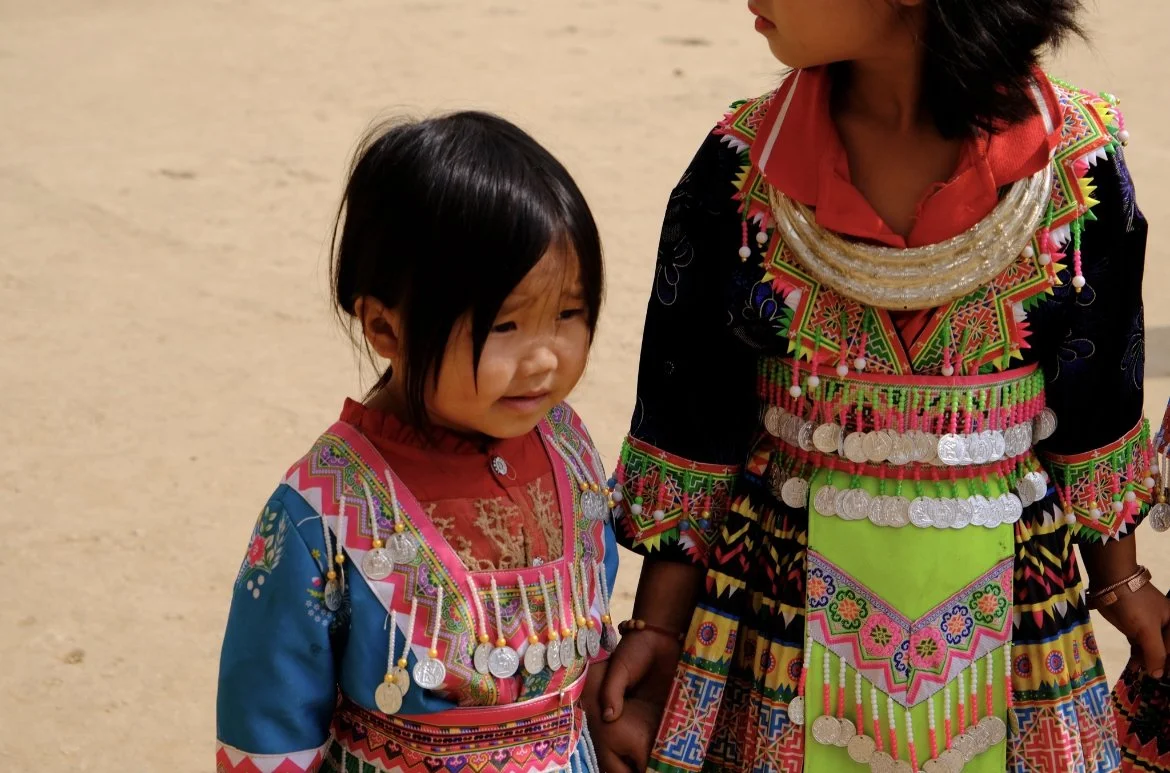
Po Mau sits far from the district center. The students attending are Hmong children whose families farm in the highlands. Many of those families grow coffee. The students face challenges getting to school—distance, weather, economic constraints—but they come anyway because education creates possibilities their parents might not have had.
IWCA Vietnam's contribution was books. Not money. Not infrastructure. Not technology. Books. Because books remain powerful tools for students without extensive resources—they don't require electricity, they don't break easily, they can be shared, they last years, and they create access to knowledge that wouldn't otherwise reach remote schools.
The connection between IWCA Vietnam and this school visit might seem tangential. IWCA Vietnam works with women coffee farmers. What does that have to do with elementary school students?
Everything, actually. The Hmong students at Po Mau are the children and future of the coffee farming communities IWCA Vietnam serves. Their education determines what opportunities they'll have—whether they'll return to farming with better knowledge, whether they'll pursue careers that support agricultural development, whether they'll have choices their parents didn't.
When IWCA Vietnam invests in these children's education, they're investing in coffee farming's future. They're ensuring the next generation has access to knowledge that can improve how they approach agriculture, business, sustainability, and community development.
The partnership with FAI made the event possible. FAI brought the program structure and additional resources. IWCA Vietnam brought books and their specific connection to the coffee farming communities these students come from. Different organizations contributing different strengths toward shared goals—that's how community development actually functions.
The books IWCA Vietnam donated aren't temporary assistance. They become part of the school's library or classroom resources. Future students will use them too. One donation reaches multiple cohorts of children over years.
The "Warm Smile" program name reflects its purpose: creating moments of joy and possibility for children facing significant challenges. Books are part of that. They represent adults believing these children deserve investment, deserve resources, deserve the same educational tools available to children in urban centers.
For women coffee farmers in IWCA Vietnam's network, seeing the organization support their children's education reinforces that IWCA Vietnam understands coffee farming as family work. It's not just the farmer who needs support. It's the whole household, including the children whose futures depend partly on educational access.
The visit to Po Mau also demonstrated IWCA Vietnam's values beyond economic development. Education, community support, investment in children—these reflect a broader understanding of what sustainable development requires. Coffee farming improves when farmers have better knowledge, better practices, better market access. But it also improves when farmers' children have better education, better opportunities, better futures.
IWCA Vietnam believes each book donated is a seed of knowledge that will grow and bear fruit in the future. That's not hyperbole. It's recognition that education compounds—students who read more know more, students who know more can do more, students who can do more create more possibilities for their communities.
The Hmong students at Po Mau received books on January 9th. Those books will travel with them through their education, shaping what they learn and what they become capable of doing. Some of those students will eventually work in coffee. Some won't. But all of them will be shaped by whether adults invested in their education when they were young.
IWCA Vietnam chose to invest. The books are evidence of that choice, sitting in classrooms in remote Son La, waiting for students to open them.