
Strategic Planning in Hamburg: Building IWCA Germany's Path Forward
A few weeks ago, members of IWCA Germany gathered in Hamburg for strategic planning. The location wasn't accidental. Hamburg's coffee history runs deep—it's been a major European coffee trading hub for centuries, home to warehouses that still smell of green coffee, and a city where coffee shaped economic development for generations.
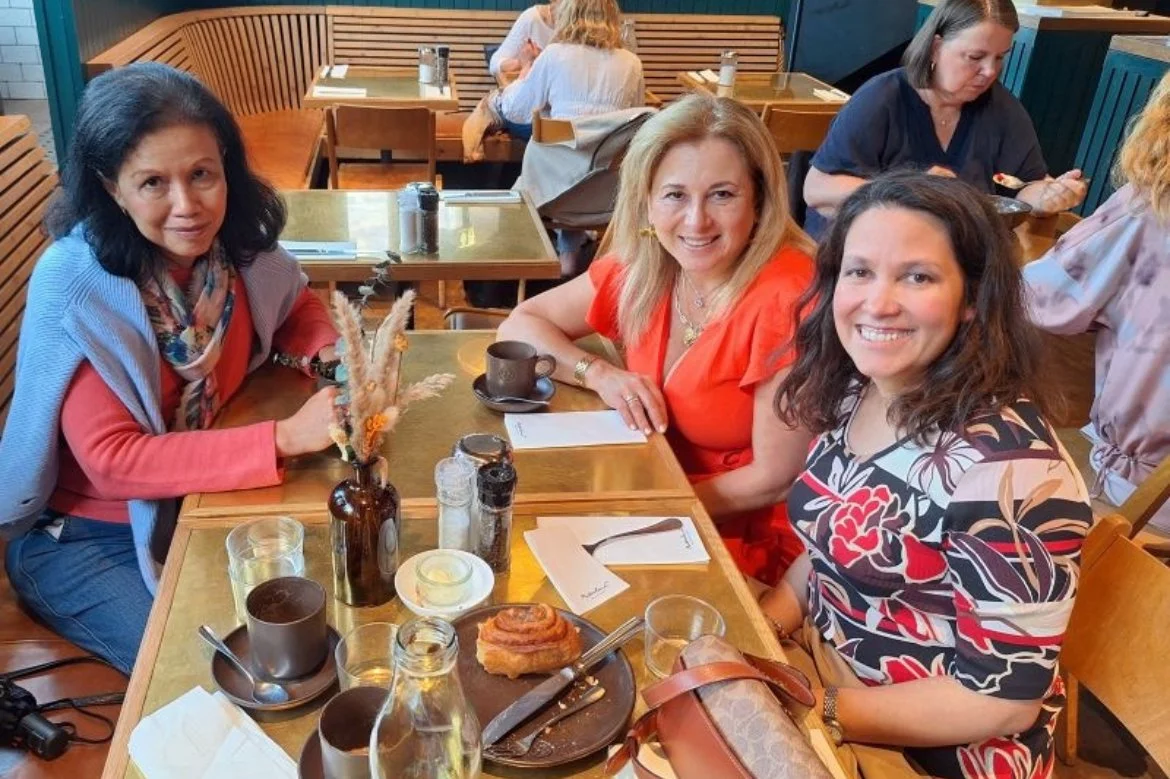
The chapter members came together to reflect on their work, connect with each other, and define their strategic roadmap for the year ahead. That combination—reflection, connection, and planning—represents how effective organizations actually develop. They don't just execute predetermined plans. They pause periodically to assess what's working, to strengthen relationships, and to adjust direction based on what they've learned.
The format balanced work with relationship-building. Focused discussion sessions created space for substantial strategic thinking. Working brunch provided informal time for the conversations that don't fit neatly into agenda items. And Franzbrötchen—Hamburg's iconic cinnamon pastry—reminded everyone that serious work doesn't require serious atmosphere.
The "strong Hanseatic coffee" reference matters too. Hanseatic refers to Hamburg's history as part of the Hanseatic League, the medieval trading confederation that dominated Northern European commerce. Coffee arrived in Hamburg through those trading networks. The city's coffee culture developed alongside its role as a major port. Drinking Hanseatic coffee while planning IWCA Germany's future connected contemporary work to historical context.
For organizations with 12-14 members, in-person gatherings serve particular importance. Email and video calls maintain basic operations, but they don't build the trust and understanding that sustain organizations through challenges. In-person meetings create space for the side conversations, the shared experiences, the relationship depth that makes collaboration possible when stakes are high or resources are tight.
IWCA Germany's focus on "key priorities" reflects strategic discipline. Organizations can pursue many worthwhile activities. But organizations with limited capacity—which includes most volunteer-led associations—must choose what matters most. Strategic planning means making those choices deliberately rather than responding reactively to whatever opportunities or crises arise.
The "exciting exchange of ideas" the chapter described suggests members brought different perspectives and proposals. That diversity of thought strengthens planning when it's channeled productively. The Hamburg meeting apparently created environment where varied ideas could surface, be discussed, and inform final decisions.
Germany's coffee industry differs substantially from coffee-producing countries. IWCA Germany members aren't primarily farmers. They're roasters, traders, café owners, sustainability managers, quality controllers, educators—professionals working in consuming country contexts where coffee arrives as green beans and moves through complex value chains before reaching consumers.
That positioning creates different priorities than origin-country chapters face. IWCA Germany's strategic work focuses on gender equity within European coffee industries, on creating opportunities for women coffee professionals, on building networks that support women's advancement in coffee careers that aren't farm-based.
The chapter's location in Germany—Europe's largest coffee market and home to major roasters, equipment manufacturers, and coffee companies—provides strategic positioning for influencing how European coffee industries approach gender equity. What IWCA Germany achieves in terms of women's representation, fair compensation, leadership opportunities, and industry recognition can model possibilities for other consuming country contexts.
The Hamburg meeting represented IWCA Germany taking that positioning seriously. They gathered in a city synonymous with European coffee trade to plan how they'll advance women's roles in that trade. They combined historical awareness—Hanseatic coffee, centuries of trading infrastructure—with forward-looking strategy.
The chapter indicated they're "excited about what's ahead" and will share more details soon. That teasing suggests the strategic planning produced concrete outcomes—initiatives they'll launch, partnerships they'll develop, events they'll organize. Strategic meetings that produce only vague commitments rarely generate excitement.
For now, what's clear is that IWCA Germany invested time and intentionality into defining their direction. They chose Hamburg deliberately. They structured the meeting to balance work and relationship-building. They used the gathering to align on priorities and strengthen connections among members.
That investment in strategic clarity and member relationships creates foundation for whatever comes next. Organizations that skip this work—that just keep executing without pausing to reflect and recalibrate—eventually lose direction or momentum. IWCA Germany is building infrastructure for sustained impact, one strategic planning session at a time.