
Protective Workwear and the Safety Women Farmers Deserve
In early spring 2025, IWCA Vietnam visited women coffee farmers in their Son La network. They brought protective workwear designed for agricultural labor—a practical response to a real need.
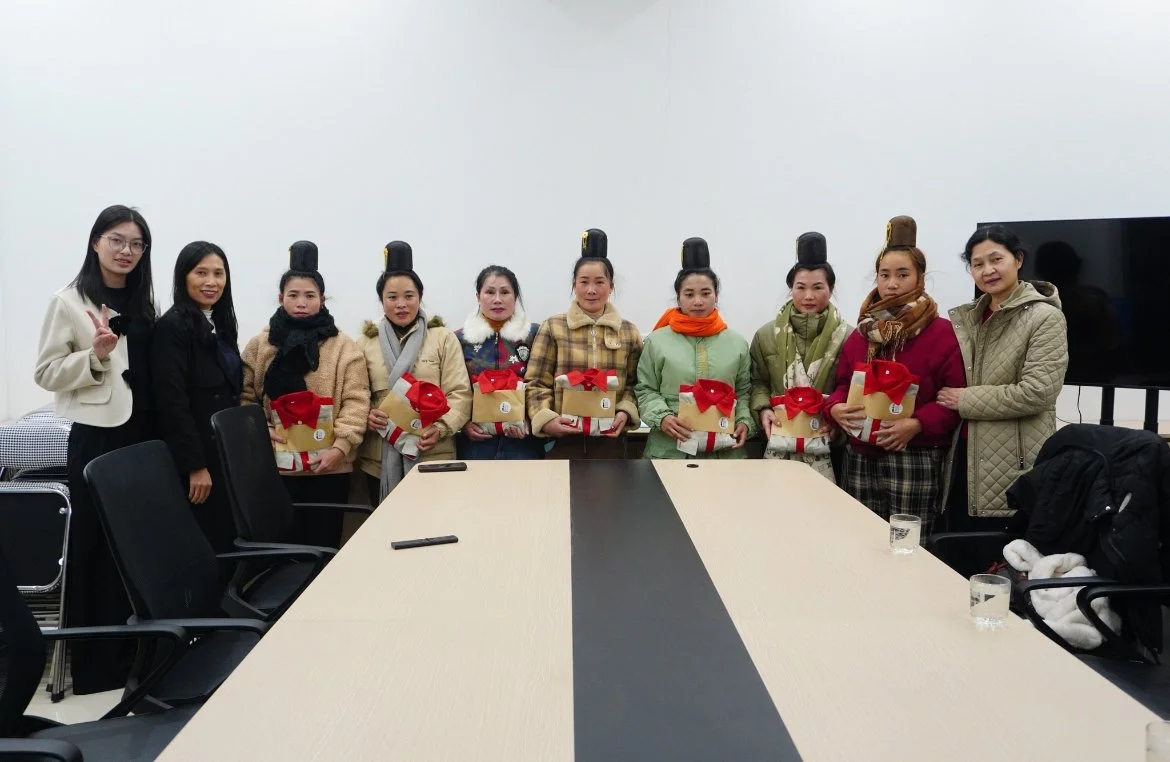
Coffee farming involves physical risk. Climbing hills to reach coffee plots. Pruning with sharp tools. Applying fertilizers and organic materials. Harvesting on slopes. Processing wet coffee in facilities with machinery. Working in sun and rain throughout the season. Women farmers do this work daily without adequate protection.
The protective workwear IWCA Vietnam provided isn't luxury equipment. It's basic safety gear that should be standard for agricultural work but often isn't, particularly for smallholder farmers operating on thin margins. The gear protects against cuts, chemical exposure, sun damage, and physical injury from falls or equipment.
The gesture matters beyond the immediate utility of the clothing. It communicates something women farmers don't always hear: your safety matters, your health matters, your wellbeing matters, you deserve protection while doing this work.
That message resonates because it's not always obvious in how agricultural systems treat smallholder farmers, especially women. The economic structures reward production and efficiency. They rarely account for occupational health, long-term physical impacts, or workplace safety. Farmers absorb those costs personally—through injuries, through chronic pain, through health problems that could have been prevented with proper equipment.
IWCA Vietnam's spring visit acknowledged those costs and addressed them, at least partially. The organization can't solve all the safety challenges women coffee farmers face, but they can provide workwear to some of the women in their network who need it most.
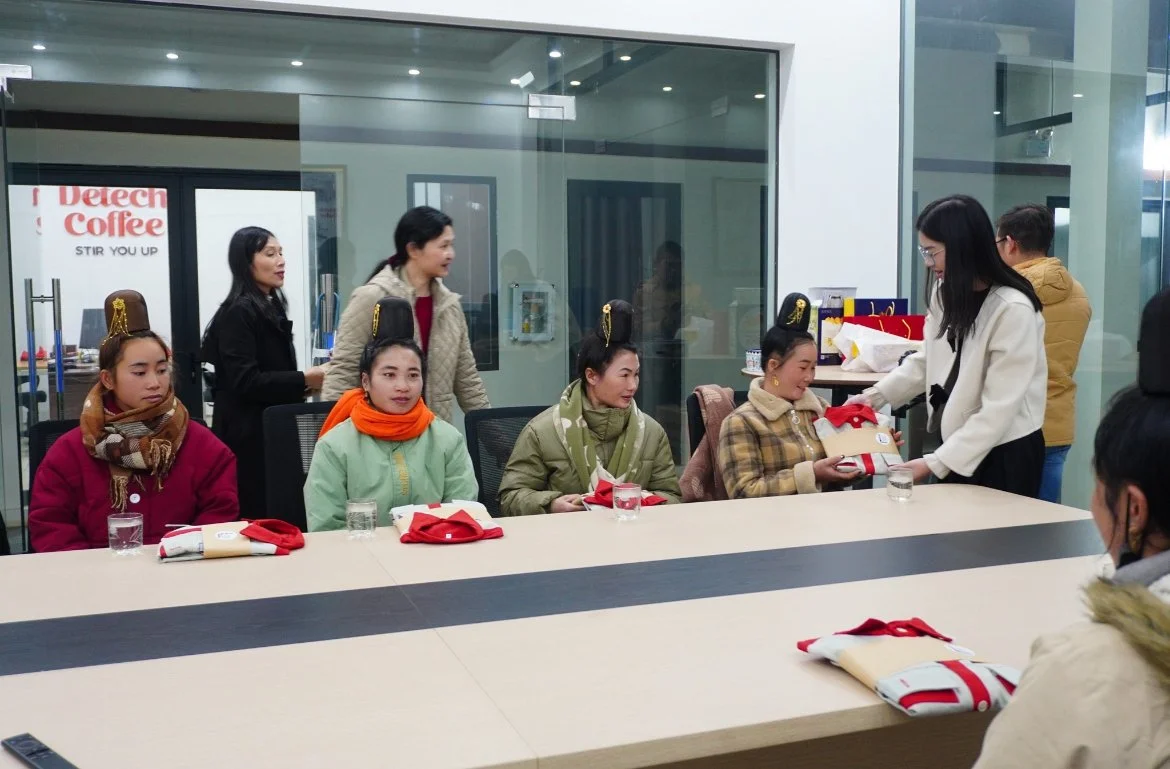
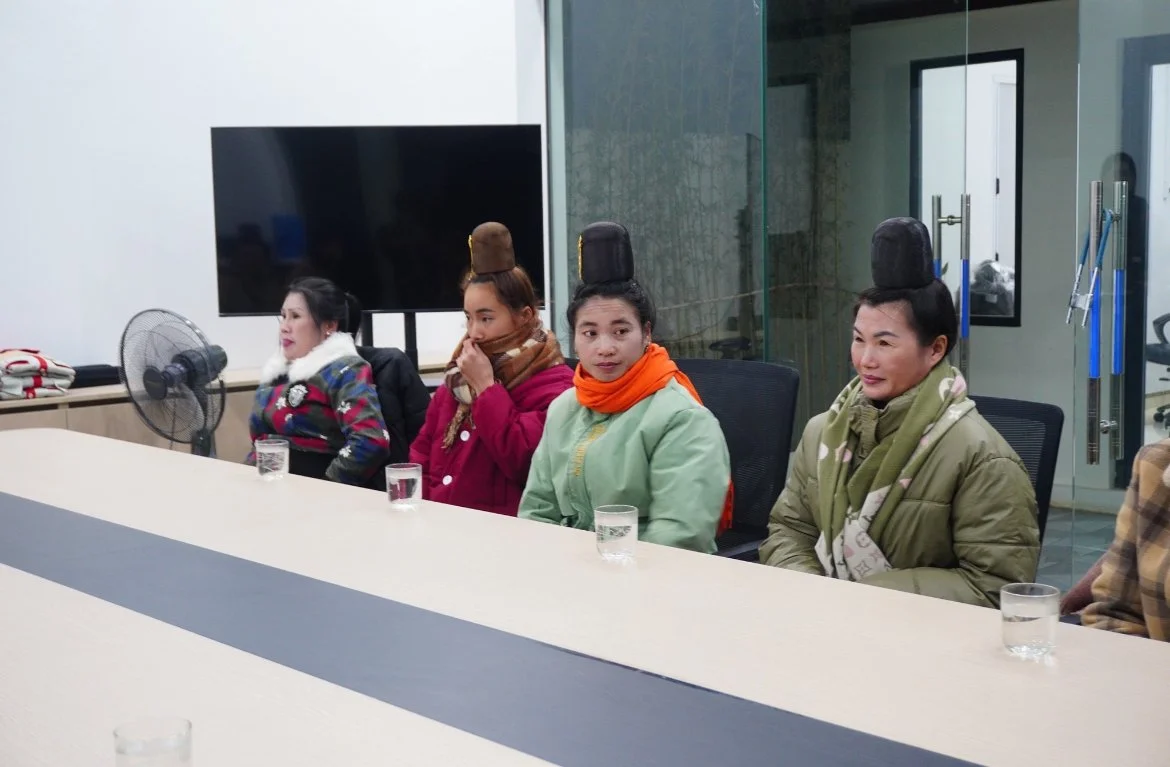
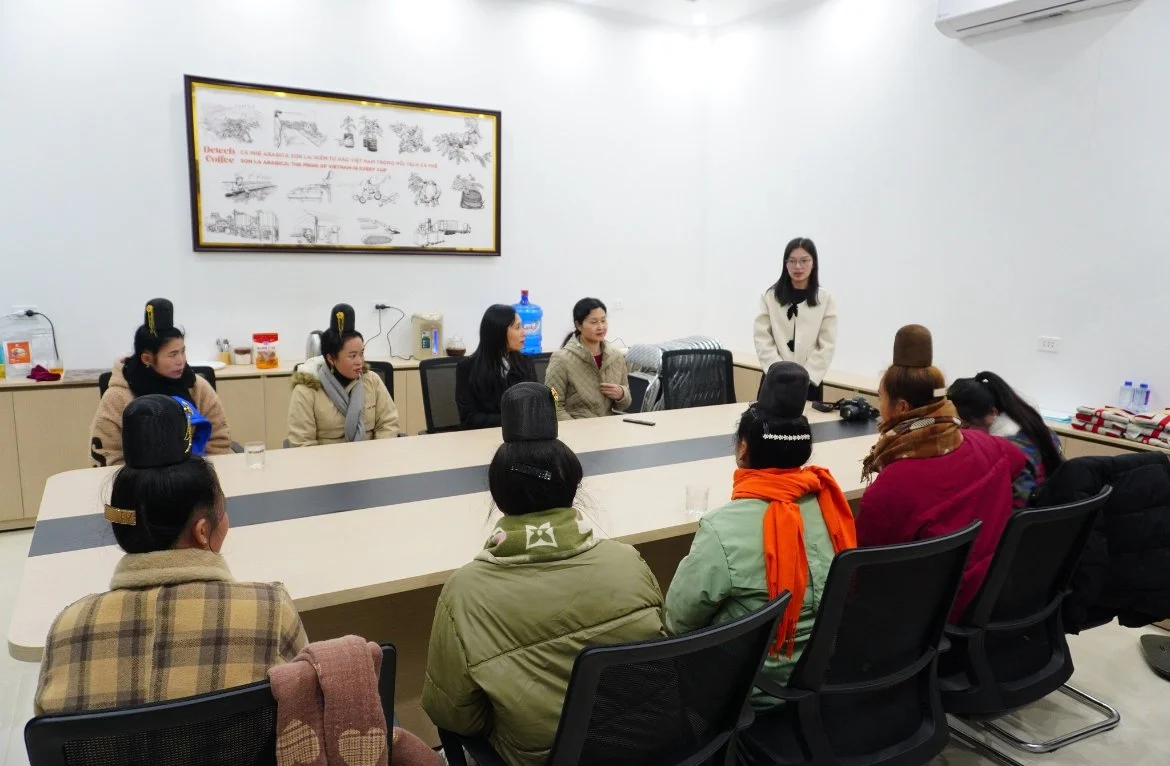
The visit also served another function: strengthening community bonds within the network. When IWCA Vietnam travels to Son La to visit farmers, they're demonstrating commitment. They're showing up. They're maintaining relationships. They're proving that the network connection means something beyond forms and surveys and occasional events.
Coffee associations can exist primarily on paper—names in databases, occasional email communications, annual meetings. Or they can exist as working relationships where members support each other through practical assistance. The spring visit pushed toward the second option.
The farmers receiving workwear were selected based on need—those facing particular economic hardship, those without access to safety equipment, those most vulnerable to injury. That targeting matters. Limited resources require thoughtful allocation.
The visit happened in early spring for a reason. That's when farmers are preparing for the season ahead—pruning, fertilizing, preparing processing areas, making repairs. That's when protective equipment becomes immediately useful, when farmers can integrate it into their work routines rather than storing it for future use.
For IWCA Vietnam, the visit represented organizational values in action. The network exists to support women coffee farmers. Sometimes that support looks like training and market access. Sometimes it looks like protective workwear delivered in person at the start of the growing season.
The women farmers in Son La face substantial challenges—weather variability, market volatility, limited infrastructure, minimal access to capital. Protective workwear doesn't solve those challenges. But it addresses one specific, tangible need: safety while working. That matters.
The early spring visit strengthened relationships within the network, provided practical support to farmers who needed it, and demonstrated that IWCA Vietnam takes occupational safety seriously. Those aren't transformative outcomes. They're incremental improvements in how women coffee farmers experience their work.
Incremental improvements accumulate. Protective workwear is one piece. Training is another. Market connections are another. Fruit tree programs are another. Collected together, these pieces create meaningful change in farmers' lives and livelihoods.
The spring visit contributed to that accumulation, one set of protective workwear at a time.