Three Generations in the Coffee Hills of Son La
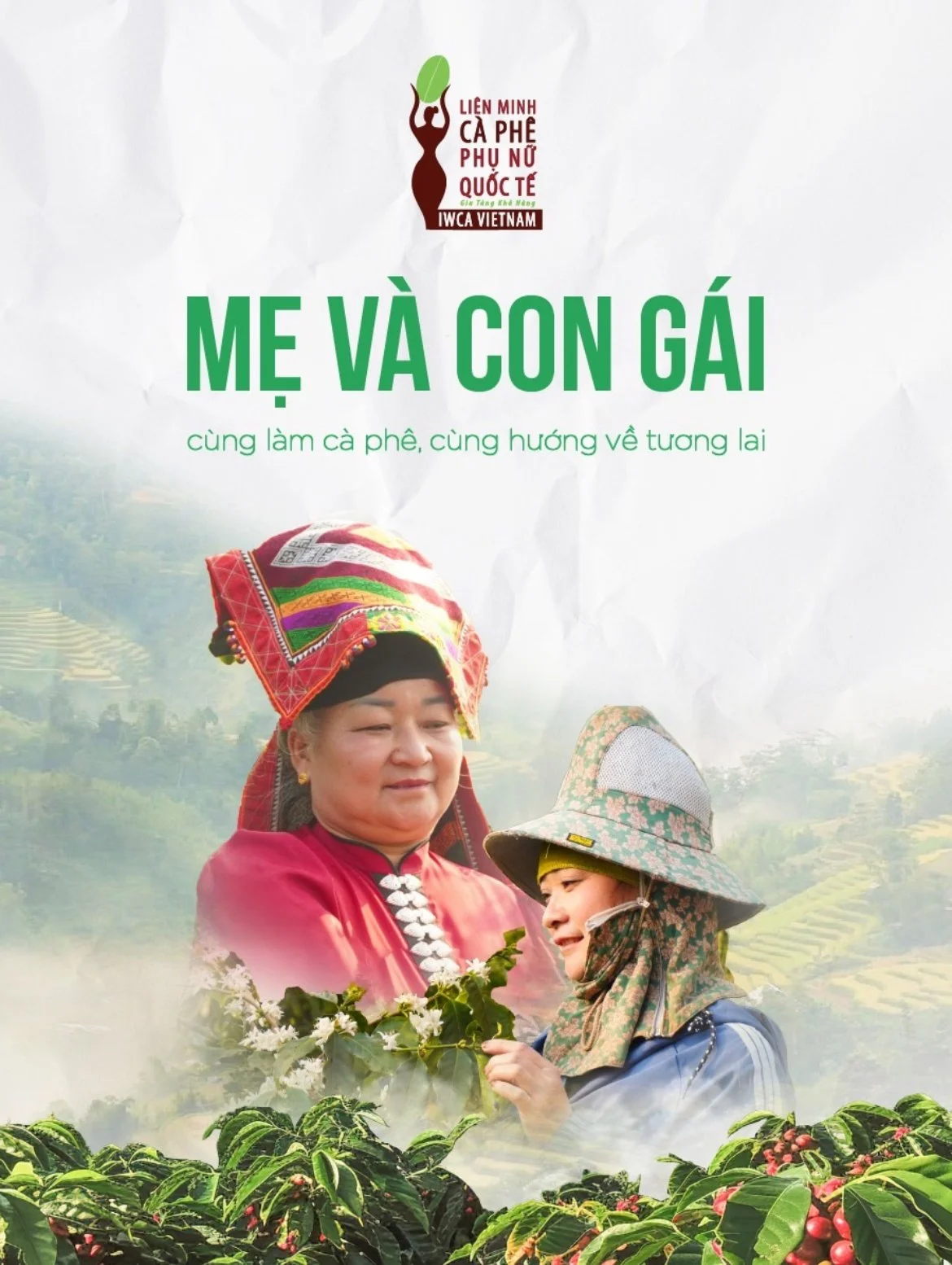
In Cup village, Chieng Mai commune, Mai Sơn district of Son La, three generations of women in Cam Thi Hong's family have spent their days in the coffee hills. The story starts with Ms. Hong's mother, Lo Thi Hung, who planted the family's first coffee trees over twenty years ago.
Back then, coffee was new to the area. No one knew what the future would hold. No one could promise the trees would produce enough to justify the work. But Ms. Hung believed they would. She and her husband planted anyway. The trees took root. They grew. They produced. And they funded the family's children through school.
"We didn't see much money, but we raised all our children well," Ms. Hung says now, her pride visible when she talks about those first harvests. The coffee didn't make them wealthy, but it made education possible. That mattered more.
Her daughter, Ms. Hong, grew up surrounded by coffee. From early childhood, she was already picking cherries, pruning branches, drying beans. After more than twenty years, coffee has become both her livelihood and the passion she inherited from her mother. She hasn't left the hills. She's stayed, building on what her mother started.
The work hasn't been easy. Some years, heavy rains meant poor harvests. Other years, harsh cold forced them to cut back all the branches just to save the trees. They've had reasons to quit. They've never taken them.
Each season, Ms. Hong walks with her mother through early morning mist, along familiar paths to their coffee plots. Those plots aren't just farmland. They're where Ms. Hong sees her future, where she imagines her daughter eventually continuing what her grandmother began.
"Around here, if a household has coffee, they have something to rely on," Ms. Hong explains. "I just hope I stay healthy enough to keep growing, so that one day my daughter can carry on this legacy."
That's what sustainable coffee farming actually looks like in Vietnam's highlands. It's not a project with a start date and an end date. It's three generations of women making daily decisions to stay with the coffee, to keep improving their practices, to pass knowledge forward. The coffee provides stability—not wealth, but reliable income that can support a family, educate children, build modest security.
IWCA Vietnam works with women like Ms. Hong and Ms. Hung because their story is the coffee industry's foundation. Specialty coffee's supply chains depend on smallholder farmers like them. Quality improvements depend on their knowledge and their willingness to implement new practices. Climate resilience depends on their ability to adapt and persist through difficult seasons.
The story from Cup village isn't unique. Across Son La, across Vietnam, similar stories are unfolding—women staying with coffee farming through challenges, passing knowledge to the next generation, building stability one harvest at a time.
From Ms. Hung's hands to Ms. Hong's hands to her daughter's hands eventually, Son La Arabica continues its journey. The beans travel from these highland plots to processors, to roasters, to shops like Wecacha, to cups around the world. But they start here, with women like these, who've decided that coffee farming is work worth staying with.
That persistence—across decades, across generations—is what keeps specialty coffee possible. It deserves recognition.