When Students Learn Coffee History From the Women Who Live It
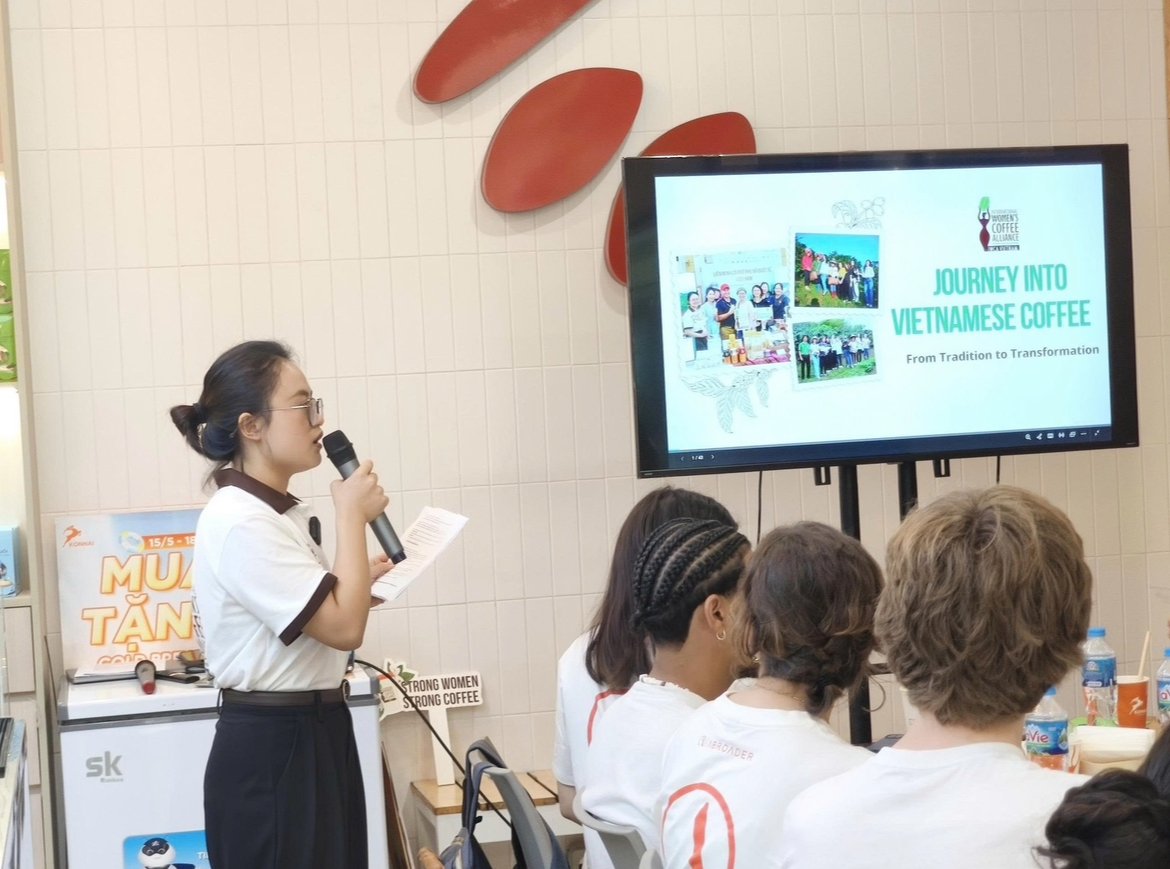
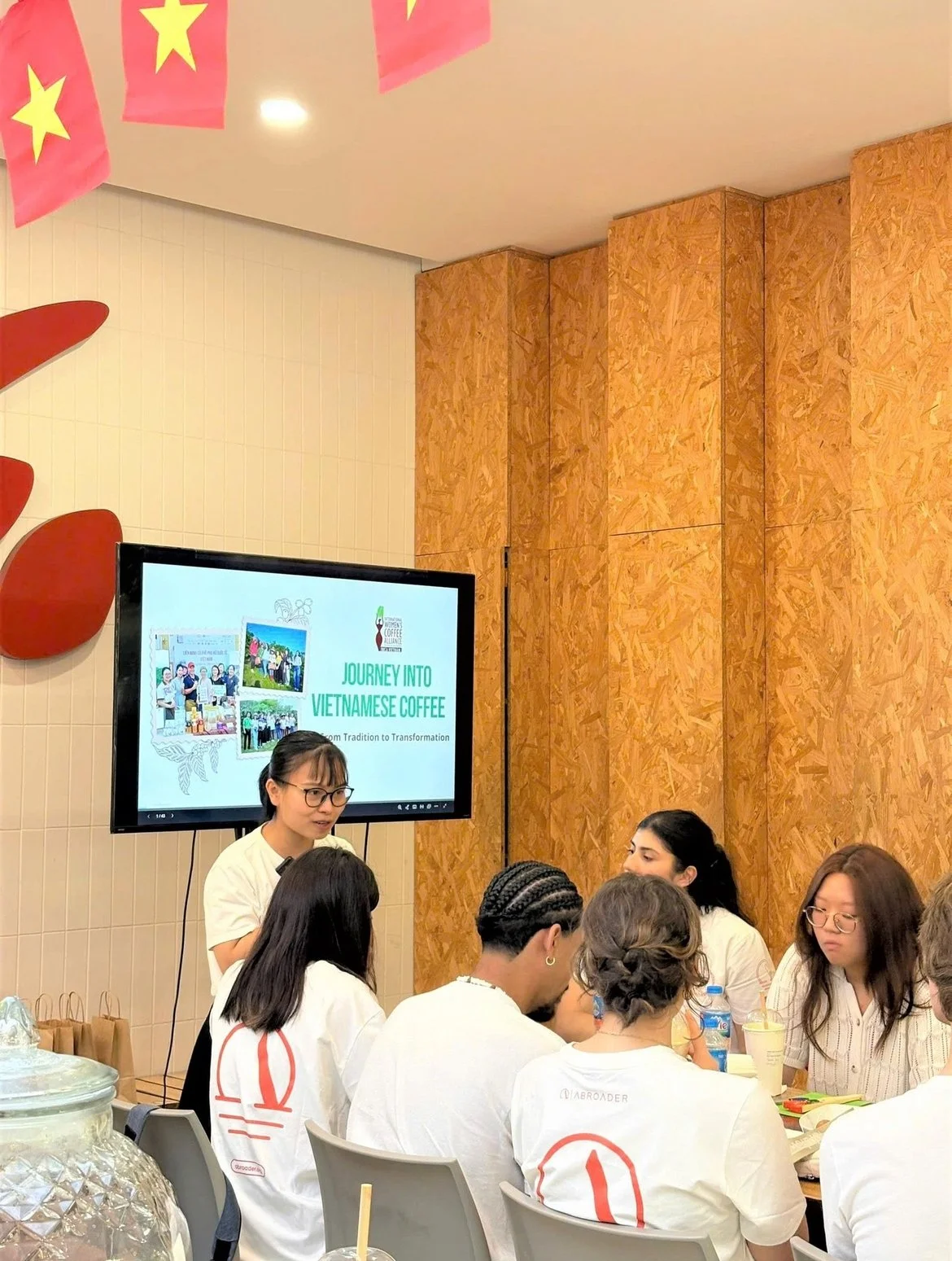
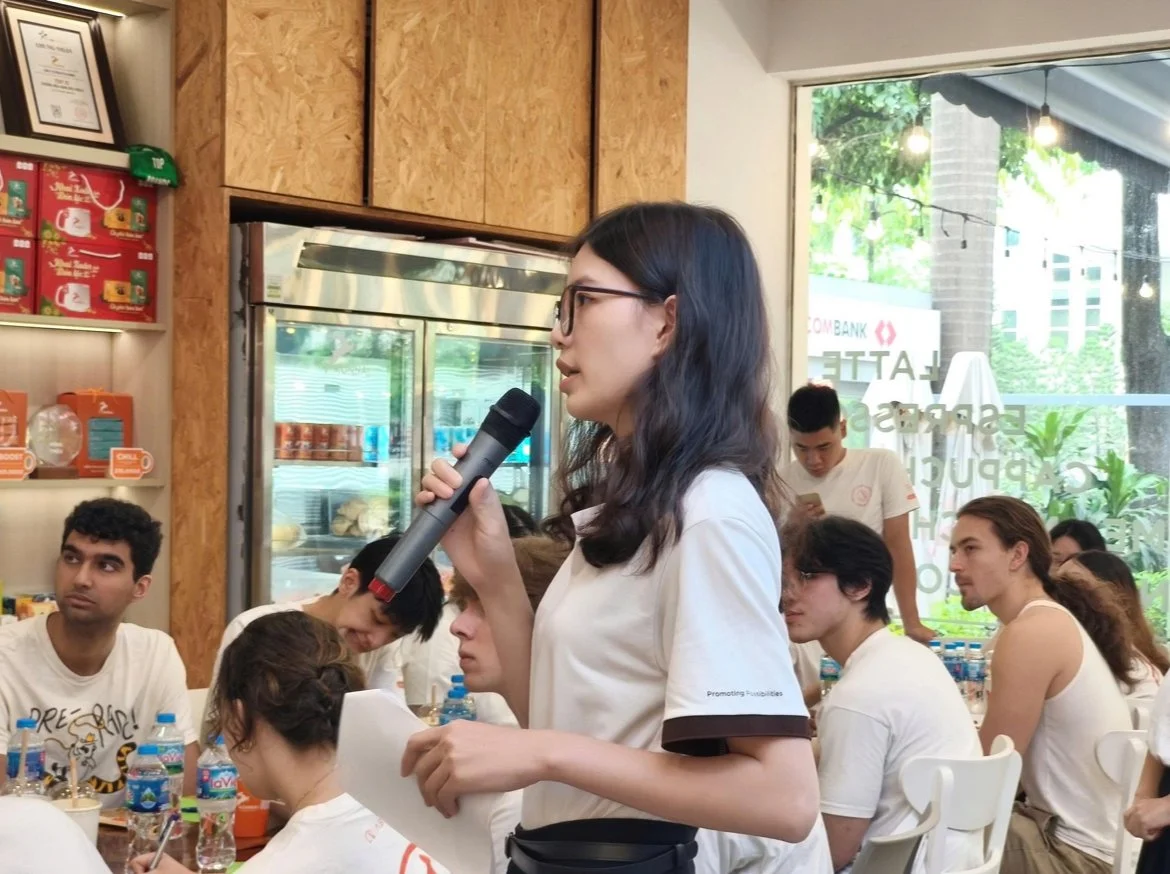
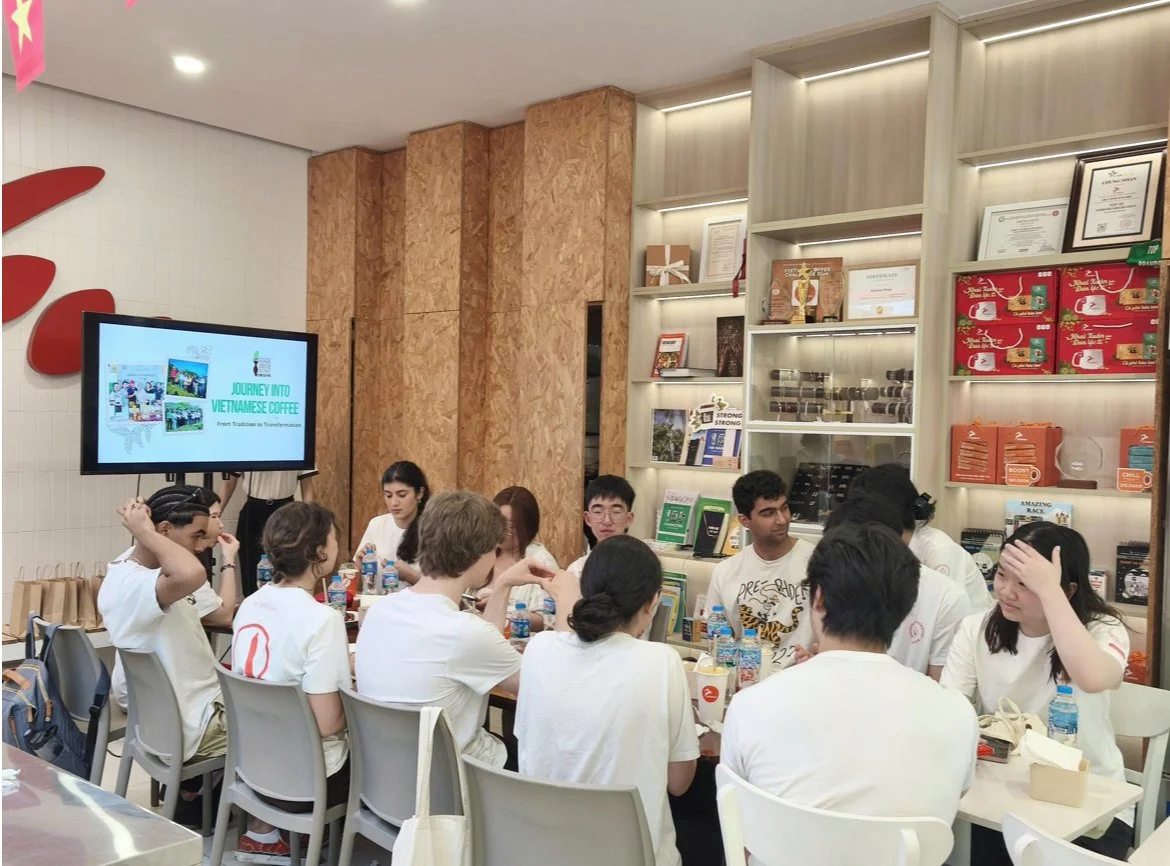
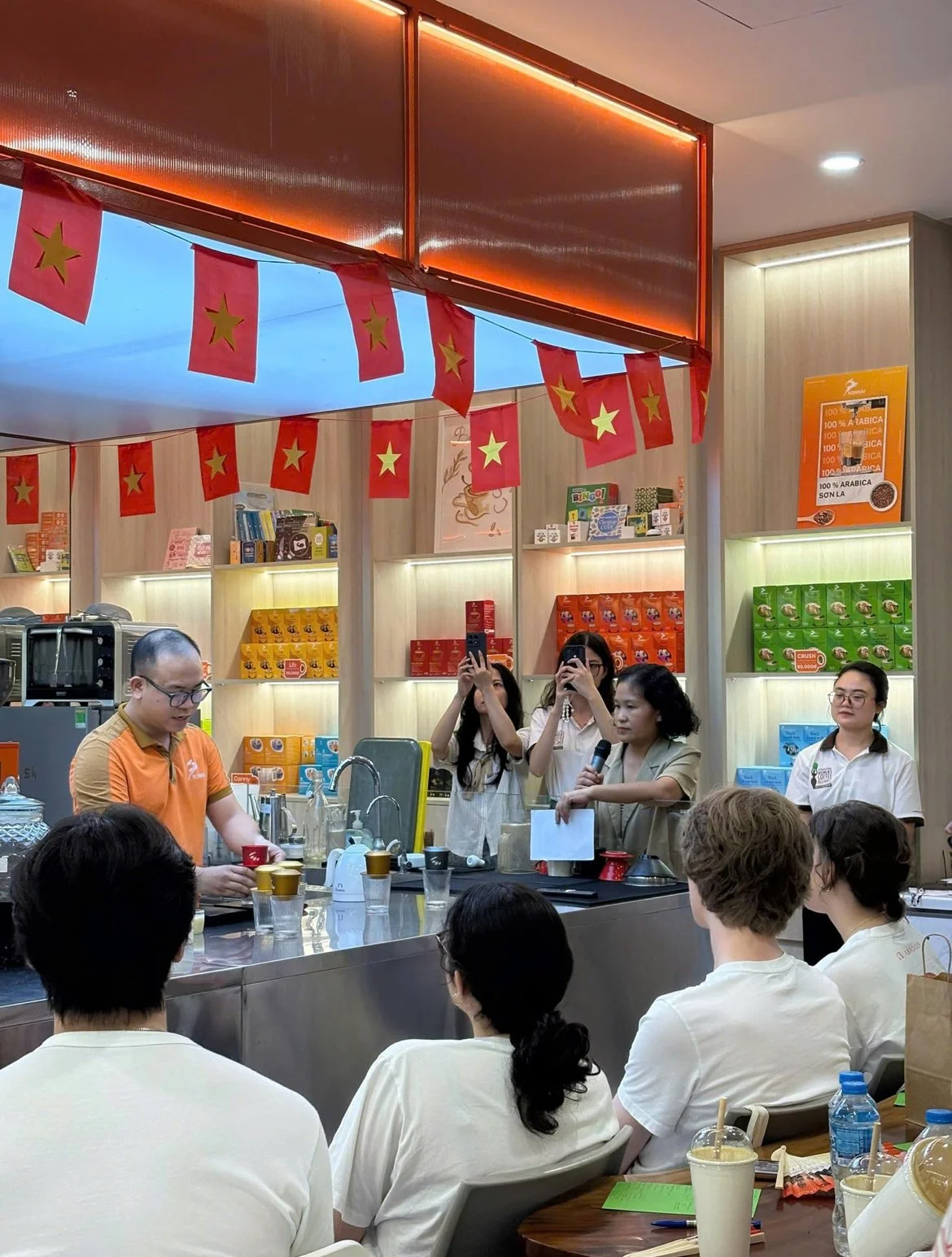
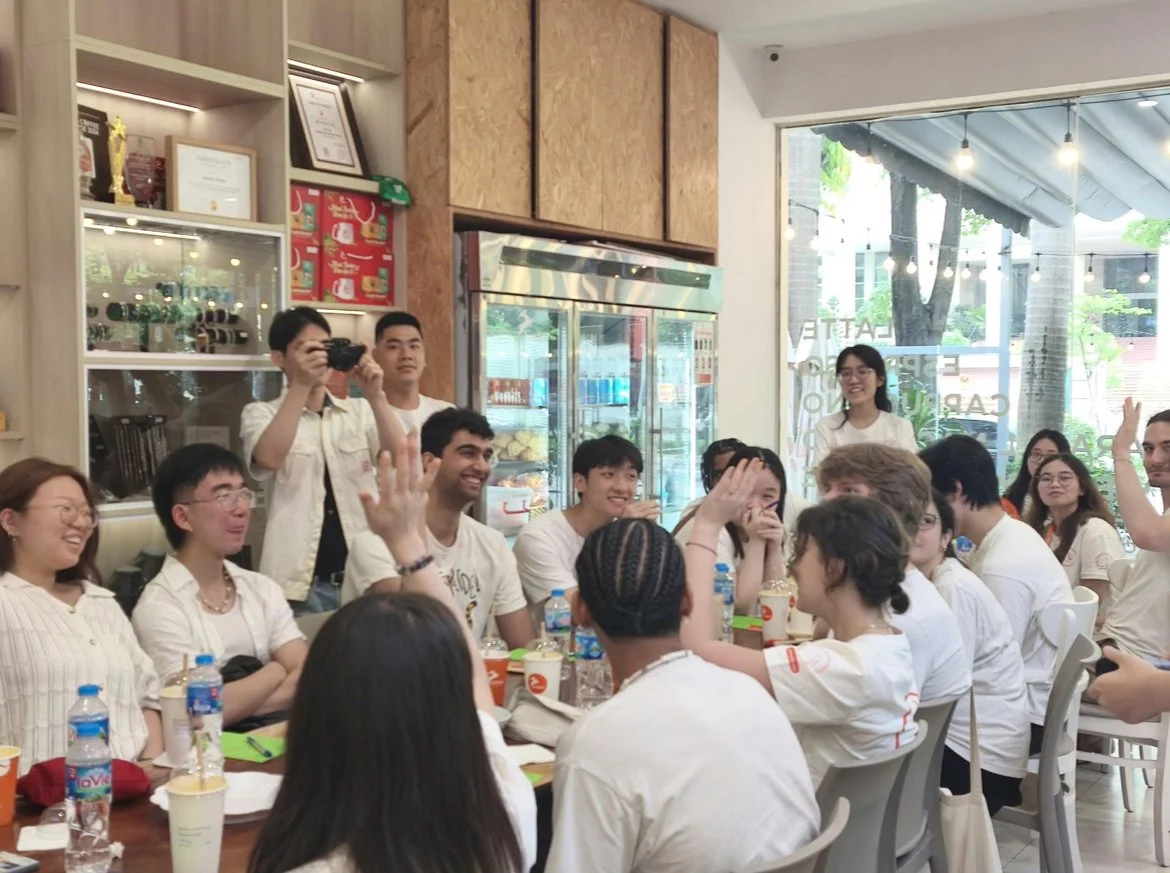
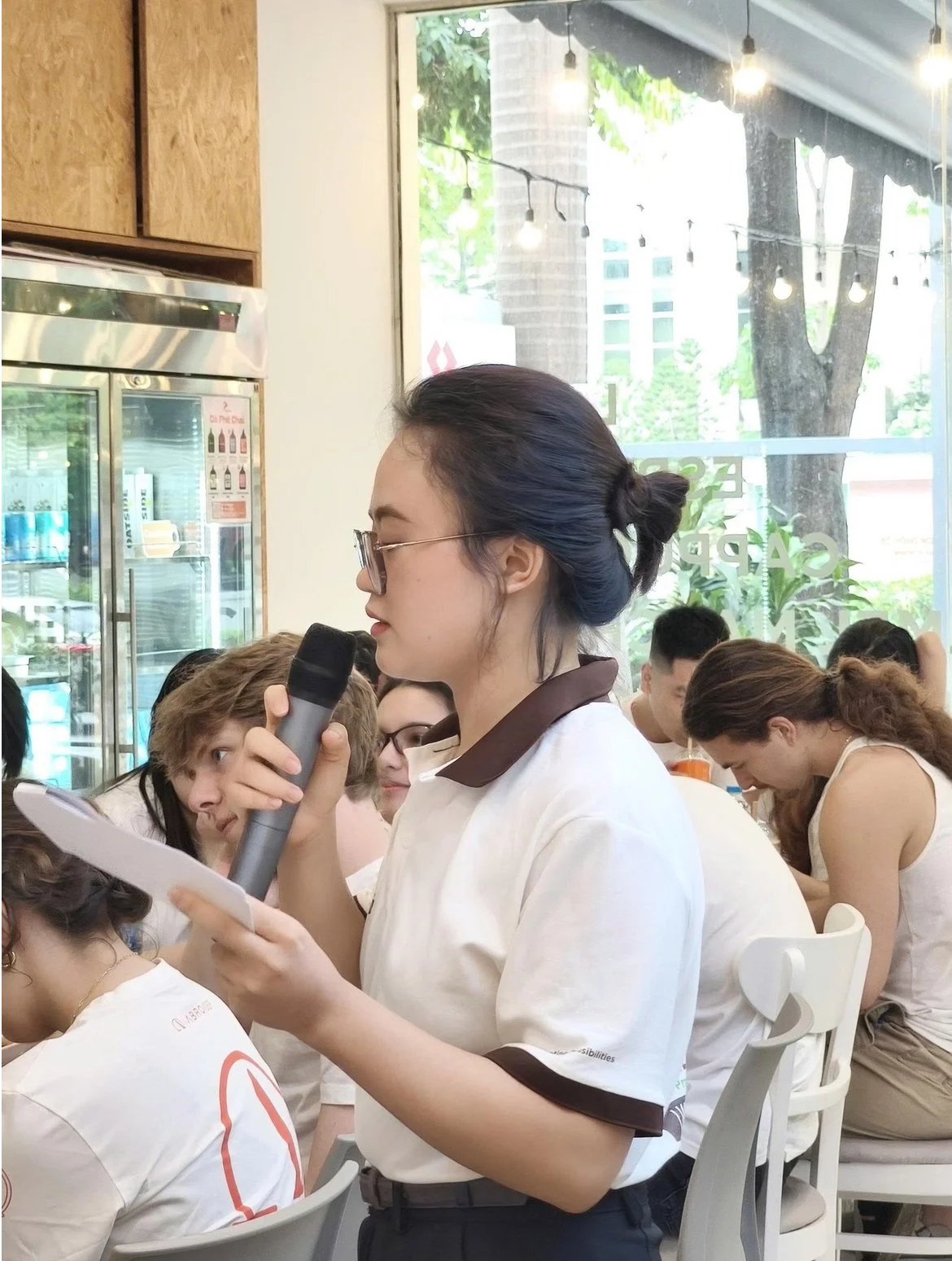
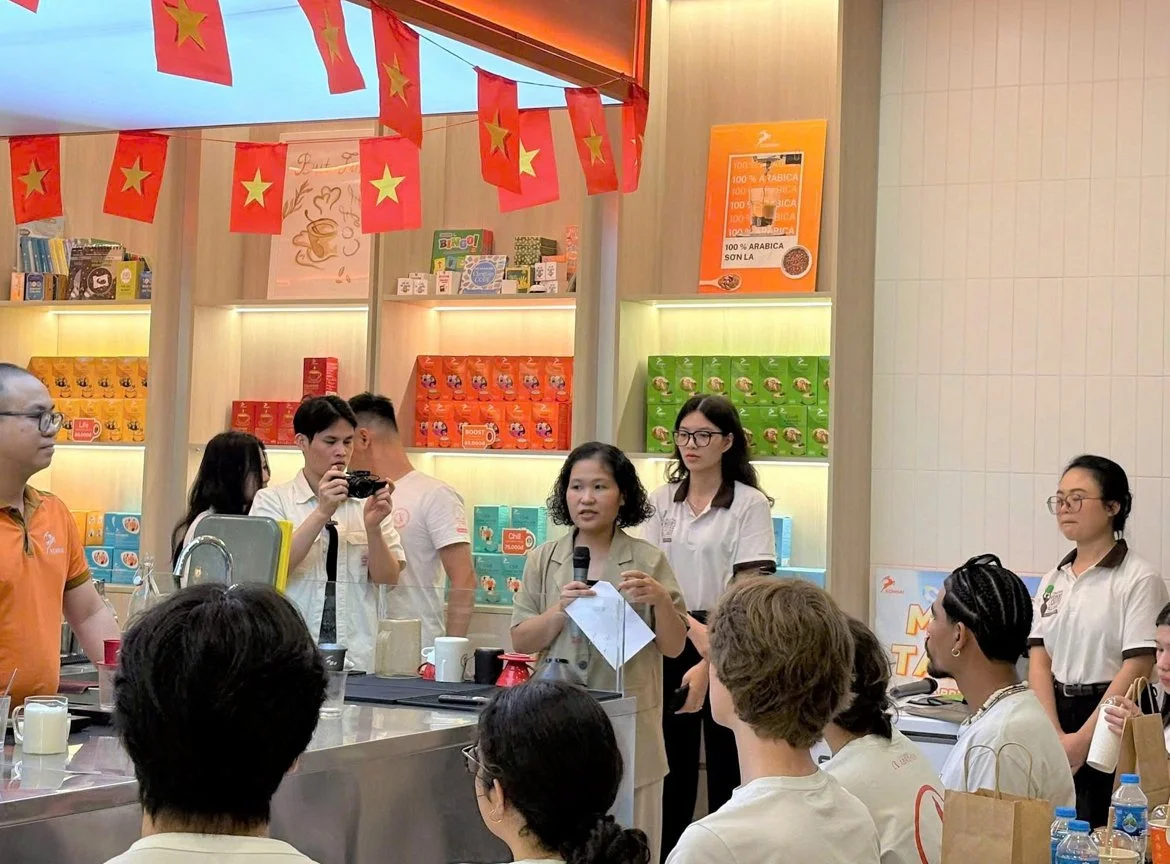
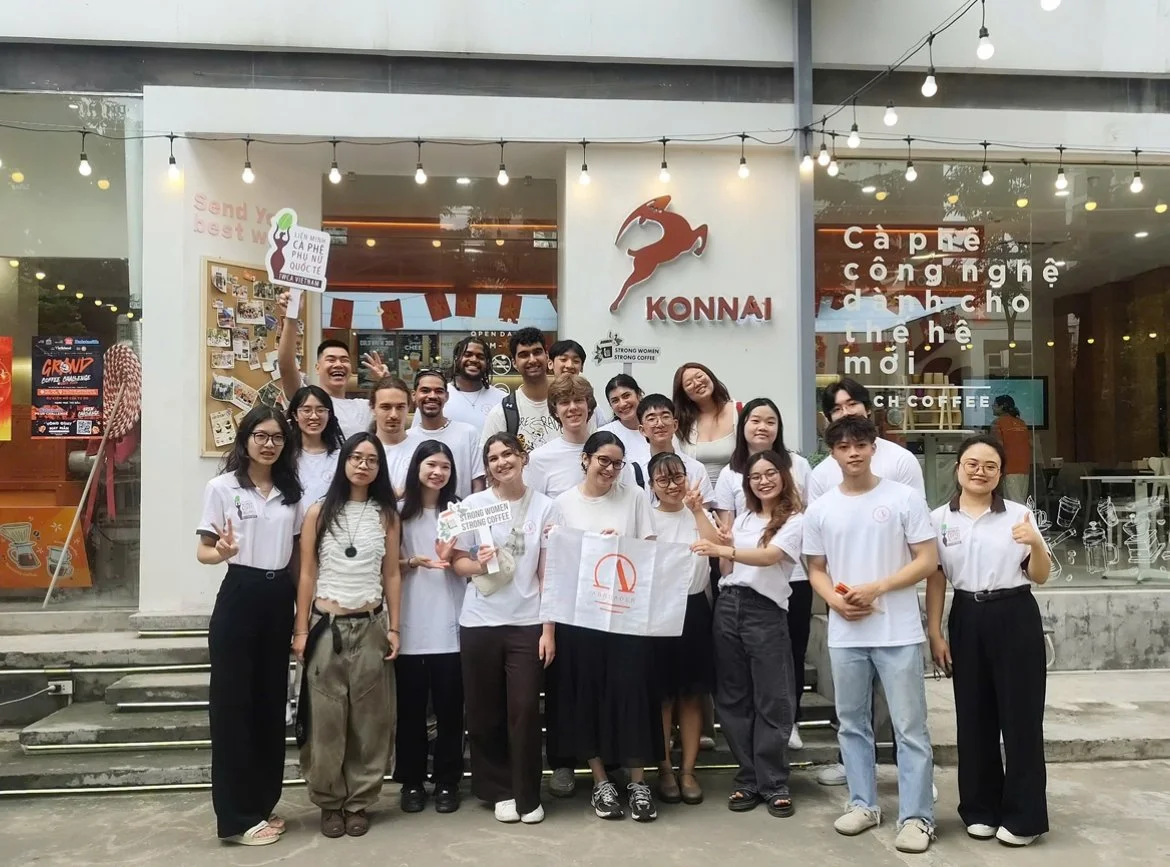
On June 28th, IWCA Vietnam partnered with ABROADER to host students from Princeton University and Northwestern University at Konnai Coffee Shop for what they called a cultural coffee exchange. The afternoon brought together academic curiosity and lived experience in ways that textbooks usually don't manage.
The students explored Vietnamese coffee's development—its historical trajectory, traditional cultivation methods, processing techniques. But the most compelling part wasn't the chronology. It was the stories about ethnic minority women coffee farmers working daily to build more sustainable coffee systems. These weren't abstract case studies. These were the farmers IWCA Vietnam works with directly.
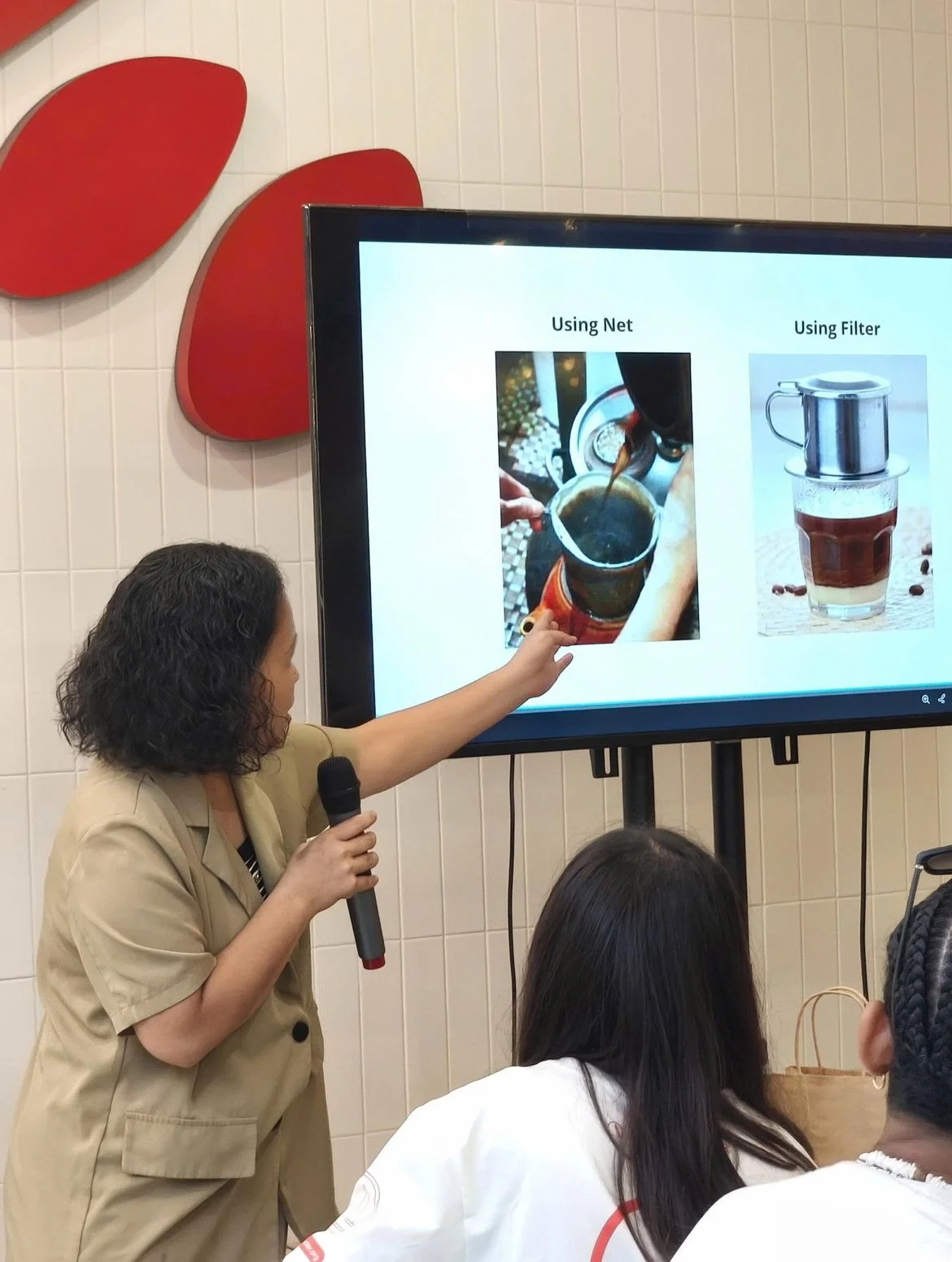
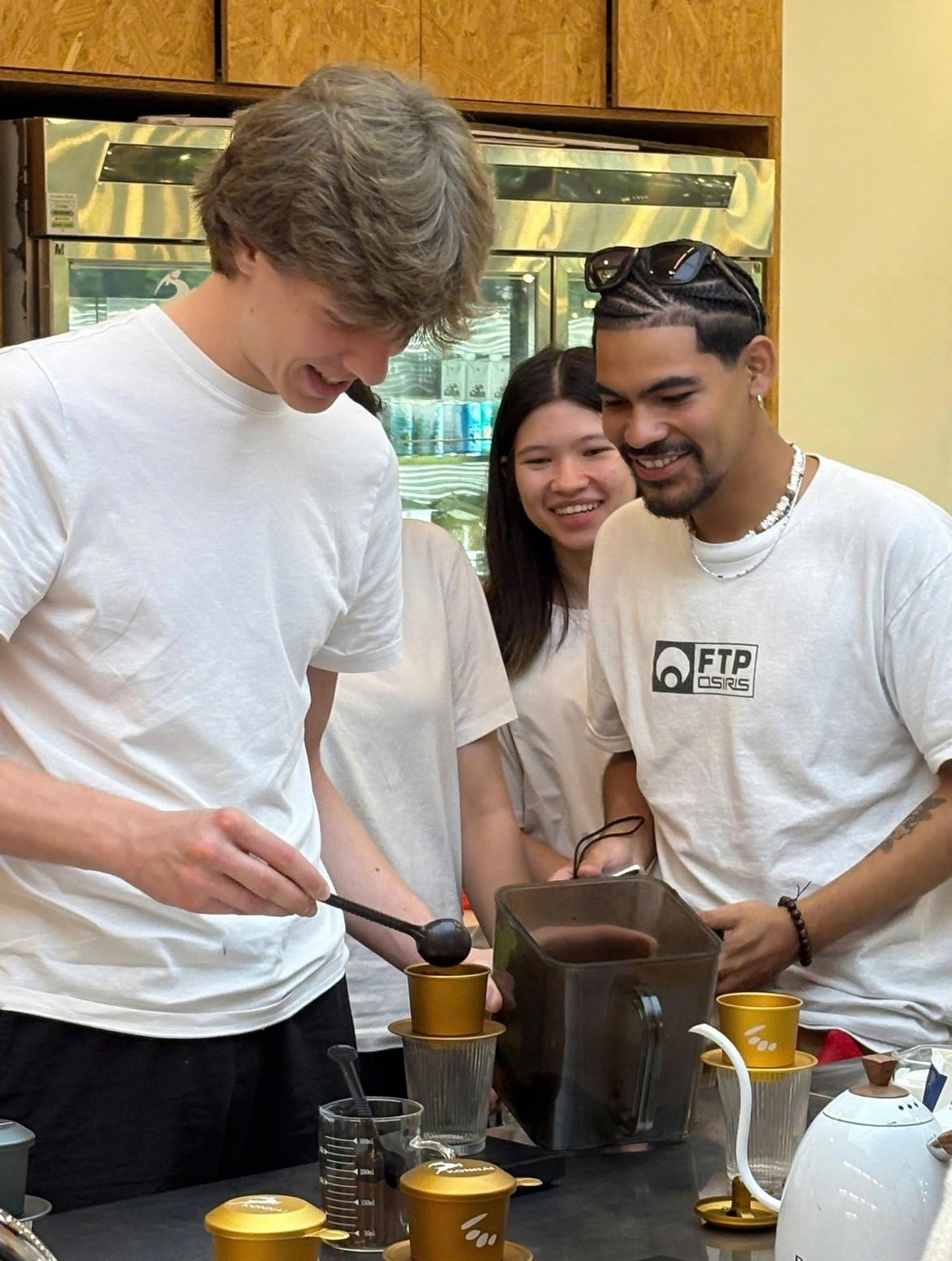
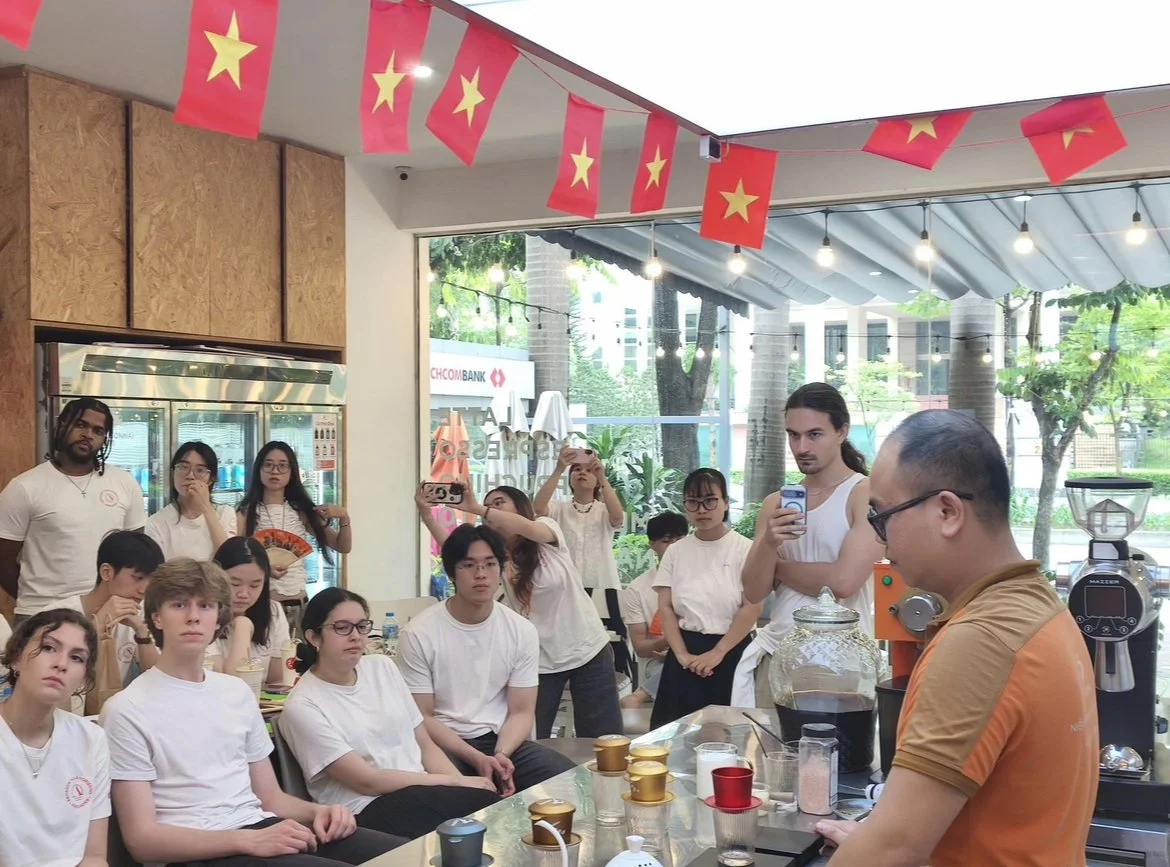
The format balanced learning with doing. Students received instruction on traditional phin brewing and salt coffee, a preparation method that originated in Hue. Then they made their own cups. First-time brewing rarely produces perfect results, but that's part of learning what Vietnamese coffee actually requires.
The value in exchanges like this runs both directions. The students gained context they wouldn't get from reading about Vietnamese coffee online. They saw the connection between the farmers' work and the cup they were drinking. They learned that specialty coffee in Vietnam has specific meaning—tied to place, to people, to practices developed over generations.
For IWCA Vietnam, hosting international students creates visibility for the women farmers who rarely receive it. When students from Princeton and Northwestern spend an afternoon learning about Vietnamese coffee, they carry those stories back to their universities, their networks, their eventual careers. Some of them will work in coffee. Some won't. But they'll remember that coffee comes from somewhere specific, grown by someone specific.
The partnership with ABROADER made the event possible. Cross-sector collaboration—between educational organizations and coffee associations—often produces better outcomes than either could achieve alone. ABROADER brought the students and the educational framework. IWCA Vietnam brought the coffee knowledge and the farmer stories.
These exchanges don't solve systemic problems in coffee. They don't change prices or improve processing infrastructure. But they do something else: they make women coffee farmers visible to people who will shape how coffee is understood and valued in the future.
The students went home with skills for brewing Vietnamese coffee and stories about the women who grow it. That knowledge doesn't expire. It travels. It influences. It shifts how people think about what's in their cup and who put it there.
Cultural exchanges work when they're rooted in real relationships and real knowledge. This one was both.