From the Field to the World: IWCA Brazil's New Guidebooks Open the Door to Coffee's Next Chapter
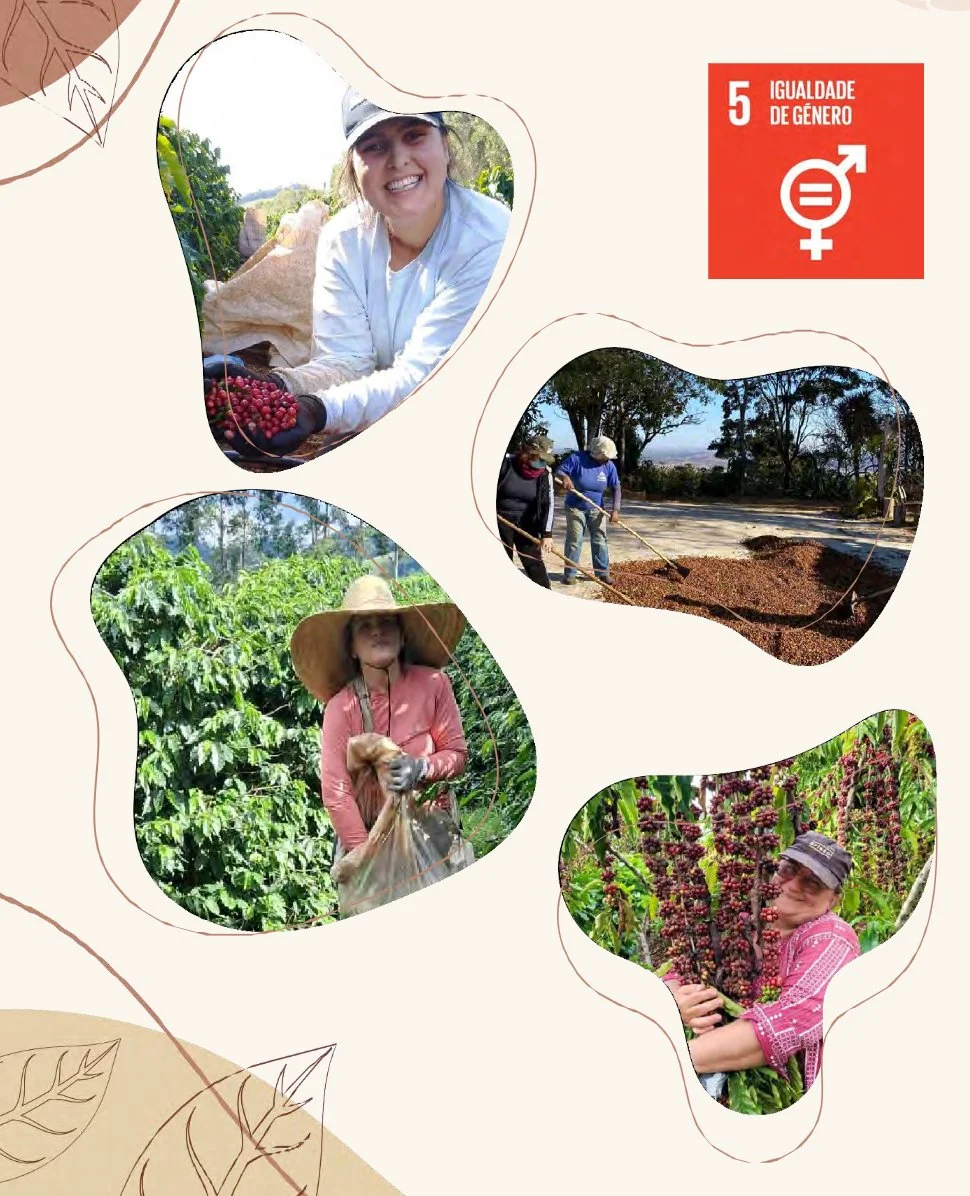
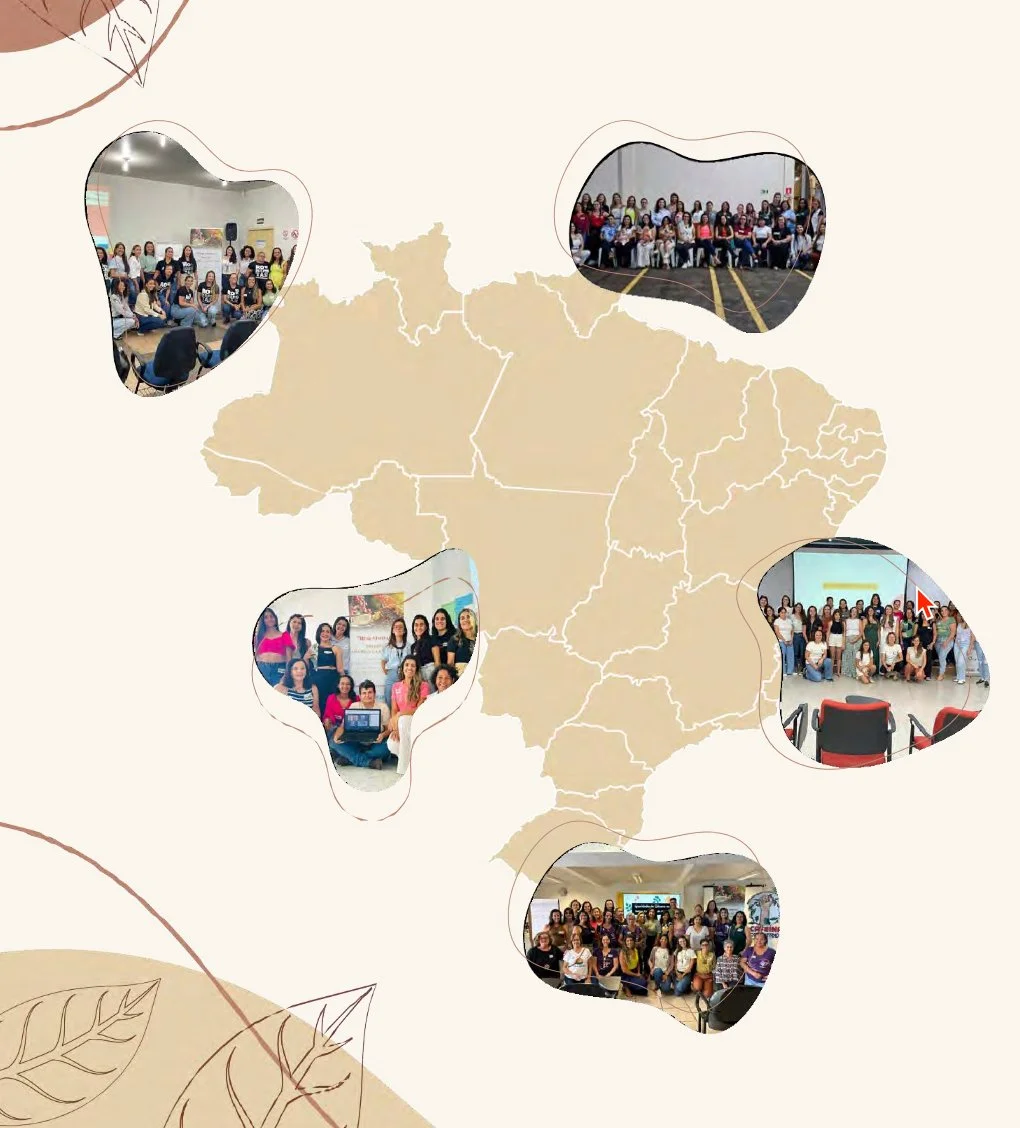
In three regions of Brazil, over three years, women coffee producers gathered in workshops to talk about what most reports leave out: what it actually takes to work, lead, and be seen in the coffee value chain.
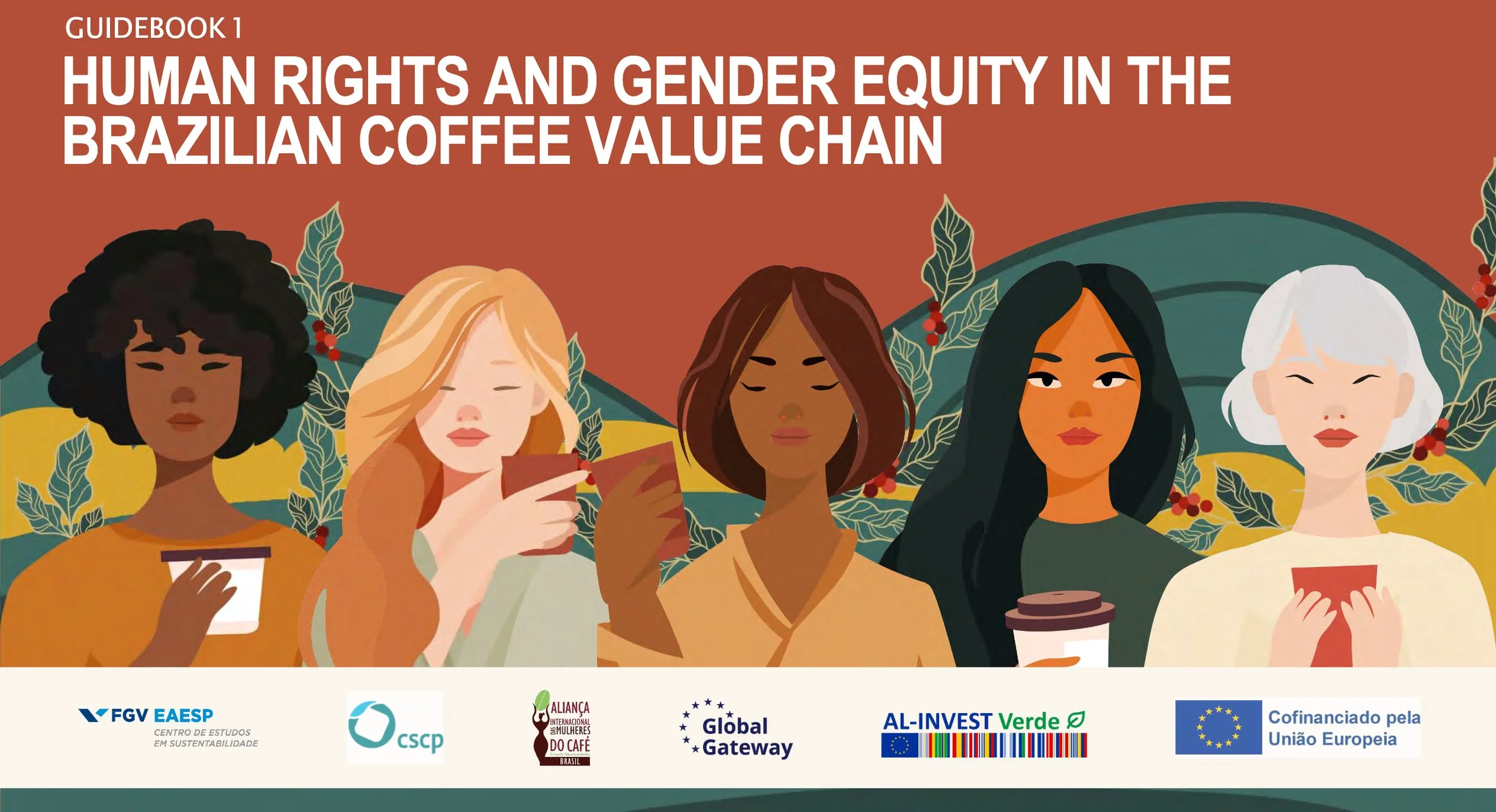
That work has a name now. Three guidebooks, built from those conversations, launched this year by IWCA Brazil in partnership with Fundação Getulio Vargas (FGVces), CSCP, and the EU's Al-Invest Verde programme. They cover human rights and gender equity, decent work, and climate adaptation, each one grounded in the realities of Brazil's coffee producers rather than abstract policy language.
Built from the ground up
The project behind the guidebooks, ARABICA-CANEPHORA, ran from 2024 to 2025. It brought together three cycles of workshops with women producers across Brazil, a working group of more than 100 industry professionals, and a dedicated session with young people in the sector focused on traceability and digital tools. The work culminated at Brazil's International Coffee Week, where IWCA Global's Blanca Castro joined in person to mark the close of the project.
That sequence matters. Producers spoke first. Industry listened. Young people in the sector got a seat at the table before anyone wrote a page. The guidebooks are the result of that order, not the other way around.
What's inside
Each guidebook takes on a question the coffee industry is still learning to answer well:
Guidebook 1 looks at human rights and gender equity across Brazil's coffee value chain. Guidebook 2 addresses what decent work actually looks like for the people growing the coffee. Guidebook 3 turns to climate adaptation, a subject no coffee-producing region can afford to treat as optional.


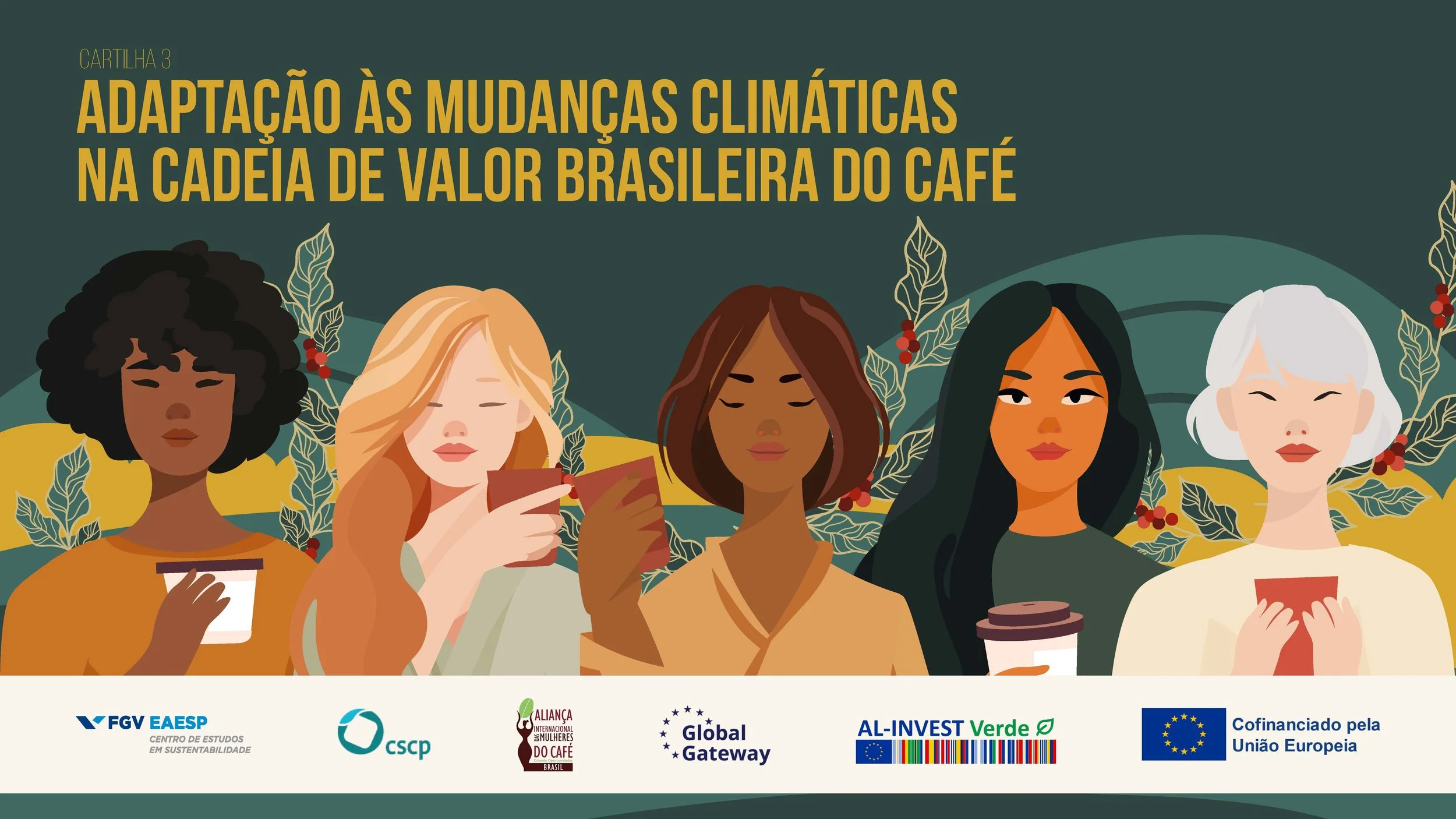
Together, they're built for a wide audience: producers, cooperatives, buyers, certification bodies, technical agencies, and policymakers. All three are available in Portuguese, English, and Spanish, because the people this work is for don't all read the same language.
Why this is IWCA at its best
A chapter identified a need, built the partnerships to meet it, and produced something the whole industry can use, in three languages, grounded in three years of listening to the people actually growing the coffee.
The real return shows up on the ground. A producer in Cerrado Mineiro now has a plain-language resource on decent work standards. A cooperative in Espírito Santo has a framework for adapting to a changing climate. A buyer has something concrete to point to on gender equity, in the producer's own language. Three guidebooks, three languages, and a growing set of tools that chapters everywhere can adapt to their own context.
What one chapter builds, another can adapt. That's how one becomes a thousand.
Read the guidebooks
The full guidebook series is available now in Portuguese, English, and Spanish through the ARABICA-CANEPHORA project page and IWCA Brazil's website.
Congratulations to IWCA Brazil, FGVces, CSCP, and everyone who showed up to the workshops that made this possible.